
Chancellor John Healey faces a £35bn budget shortfall ahead of his October 28 fiscal statement as higher inflation and rearmament costs squeeze public services. The Institute for Fiscal Studies warned the plan risks becoming a work of fiction unless the government sets out credible funding mechanisms.
The Institute for Fiscal Studies Warns of a £35bn Funding Gap
Britain’s leading tax and spending experts have delivered a stark warning to the Treasury over the state of the public finances. The Institute for Fiscal Studies (IFS) reported that Chancellor John Healey needs to find £35bn in extra revenue or spending adjustments by the 2030-31 fiscal year to maintain investment in the National Health Service, boost military capabilities, and keep departmental budgets functioning.
Speaking ahead of the October 28 fiscal statement, IFS director Helen Miller argued that a conventional approach will no longer work for the administration as rising prices eat into departmental spending power.

“Simply pencilling in implicit cuts that he has no intention of delivering would make the budget a work of fiction.”
Helen Miller, director of the IFS
The think tank estimates that avoiding cuts to departmental budgets will require a top-up of roughly £25bn by 2030-31 to counter the effects of inflation. Fulfilling the administration’s pledge to lift defence spending to 3 per cent of national income by 2030 carries an estimated price tag of £11bn in the final year of the decade, bringing the total deficit to around £35bn.
Under Keir Starmer’s leadership, John Healey resigned as defence secretary in June during a dispute with the Treasury over military funding. Economists at the independent think tank note that living within existing spending plans passed down to departments would require making actual cuts just to get by.
Middle East Conflict Pushes Mortgage Rates Above 6 Percent
Economic forecasts have shifted dramatically following military conflict in the Middle East, which ignited a fresh energy crisis and pushed mortgage rates above 6 per cent. The International Monetary Fund warned that global energy disruptions will keep consumer prices accelerating into the coming year, with UK price rises forecast to average 3.3 per cent before easing to 2.8 per cent in 2027.
Higher borrowing costs stemming from bond market turbulence are projected to add about £10bn to public borrowing by 2029-30. However, the IFS noted that this pressure is partially offset by fiscal drag, where rising prices push taxpayers into higher tax brackets and automatically boost government revenues.
As a result, the Chancellor’s fiscal headroom—the buffer against his day-to-day spending rules—is projected to fall to roughly £20bn in 2029-30, down from the £24bn cushion forecast by the Treasury in March.

Ahead of the annual International Monetary Fund meetings in Bangkok, the Chancellor stated that global economies must confront these headwinds collectively through fiscal discipline to establish economic resilience.
Government Departments Face Strict Efficiency Demands
Beyond the headline figures, government departments face strict efficiency demands. Previous spending reviews relied on ambitious productivity targets, including nearly £14bn in efficiency savings set out by departments for 2028-29. Researchers point out that delivering these existing measures requires average productivity growth of 1.2 per cent per year across the public sector, well above the historical average of 0.2 per cent recorded between 1997 and 2019.
If departments fall short and deliver only half of those planned gains, public services would face a £9bn shortfall by 2028-29. Maintaining real-terms spending at March levels requires a £12bn top-up, while capital spending needs an additional £3bn.
Think Tanks Urge Government to Close Tax Loopholes
With Prime Minister Andy Burnham and senior ministers committed to manifesto pledges ruling out increases to income tax, National Insurance, and VAT, tax experts suggest the Chancellor must rely on a series of smaller adjustments to raise revenue.
Other think tanks have offered alternative proposals to plug the gap. The Resolution Foundation urged the government to hike taxes to rebuild fiscal headroom, suggesting a tax switch that cuts employee national insurance while raising income tax by the same amount, alongside closing capital gains tax loopholes to raise an additional £4bn.
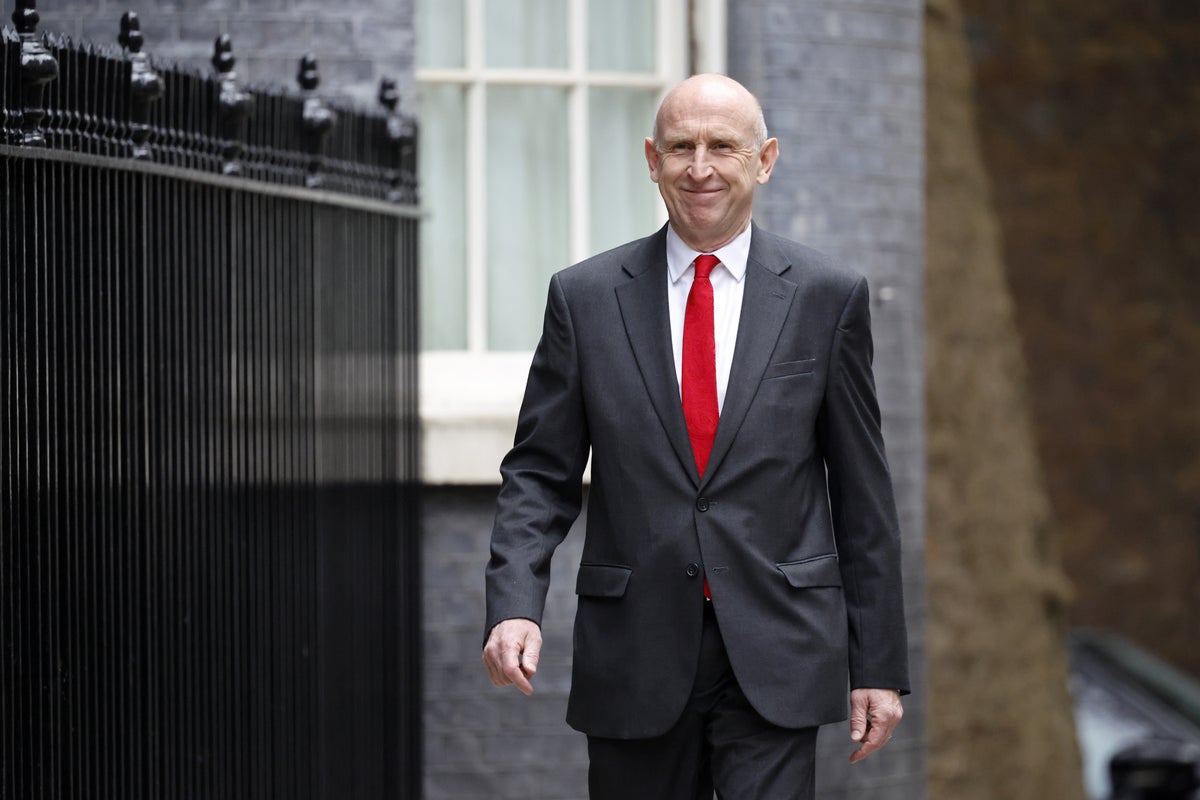
James Smith, chief economist at the think tank influential upon government thinking, cautioned the Treasury against deferring essential choices to future spending reviews during a recent briefing. Institute of Economic Affairs economist Valentin Boboc similarly urged the Chancellor to remove barriers to investment rather than depending solely on tax increases.
Amid these competing pressures, the International Monetary Fund offered a bright spot by upgrading the UK economic growth forecast for 2026 to 1.3 per cent. Yet the Fund cautioned that growth would ease to 1.2 per cent in 2027 as borrowing costs continue to weigh on households and businesses.