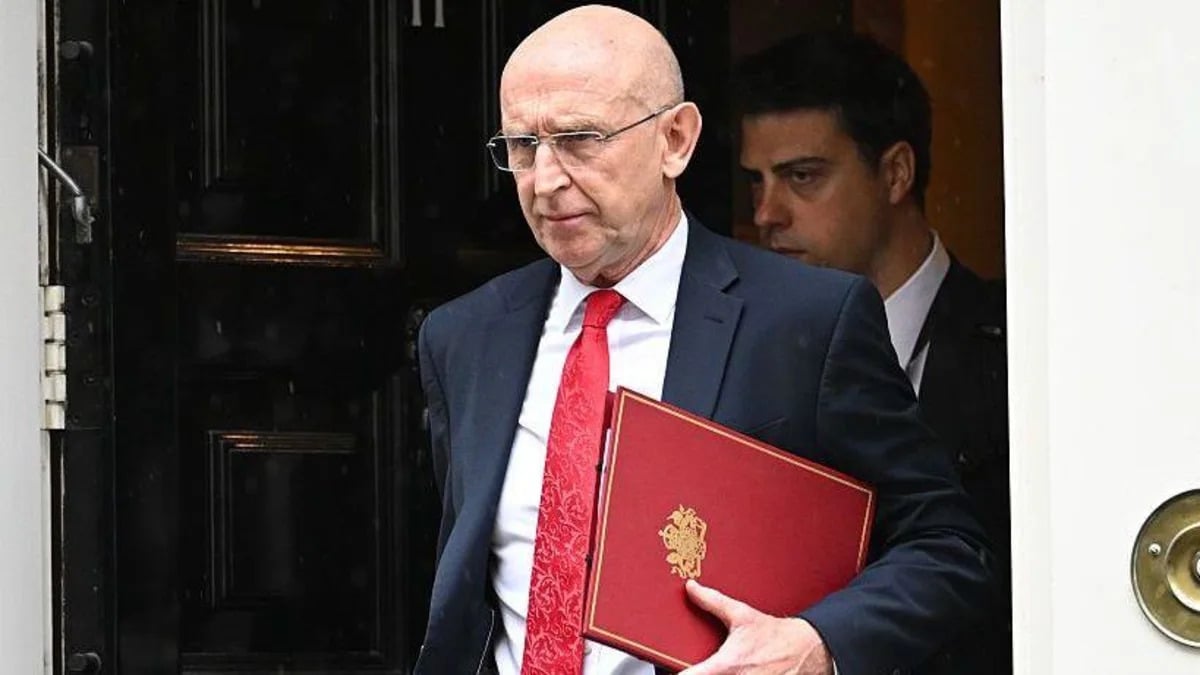
The International Monetary Fund lifted its UK 2026 GDP growth forecast to 1.3%, up from the 1% prediction issued in July and an earlier 0.8% estimate in April. That places the UK alongside Germany as having the second-fastest growing economy in the G7.
Britain’s economy is set to expand faster than previously anticipated this year, according to updated economic projections released on Tuesday. The International Monetary Fund lifted its UK 2026 GDP growth forecast to 1.3%, up from the 1% prediction issued in July and an earlier 0.8% estimate in April. That upward revision reverses earlier downgrades triggered by the onset of the US-Iran conflict. However, higher energy prices and interest rates are projected to slow expansion to 1.2% in 2027.
Yet global economic fallout from Middle East hostilities remains highly uncertain, the IMF warned, even as the global economy has shown a remarkable capacity to absorb shocks not just from current conflicts, but also from the Covid pandemic and Russia’s invasion of Ukraine.
Budgets Face Fiscal Pressures Ahead
Political crossfire has intensified around these decisions.
UK Set to Stabilise National Debt and Lower Borrowing
The IMF cited the UK as one of the only major economies on course to stabilise levels of national debt despite immediate fiscal tightening. As noted at the launch of the IMF’s new global forecast, the World Economic Outlook, the UK has already started the consolidation process and is the country that basically stands out, along with India.
The UK is also projected to have the lowest annual borrowing in the G7 in 2031, and the longest maturity of debt, locking in lower rates for longer. Asked if the UK was one of the countries the IMF was telling to reduce borrowing, officials indicated that the country had begun the process already and should stay the course.
At the same time, inflationary headwinds persist. The IMF projects households are likely to continue feeling the pinch of rising prices, with inflation expected to average 3.3% this year and remain above the Bank of England’s 2% target in 2027 at 2.8%. The Bank itself has predicted inflation could rise above 4% at the beginning of next year – making it more likely that interest rates will rise. Unlike the Federal Reserve, the Bank of England has not raised rates since the outbreak of the U.S.-Iran war in February. Long-term UK government borrowing costs hit their highest level since 1998 last week, while Healey is expected to meet with other finance ministers at the IMF’s annual meeting in Bangkok, Thailand, on Tuesday to discuss how the economic impact of the Middle East and European conflicts could be limited. What final tax and spending adjustments will emerge from the October 28 budget?
Related reading