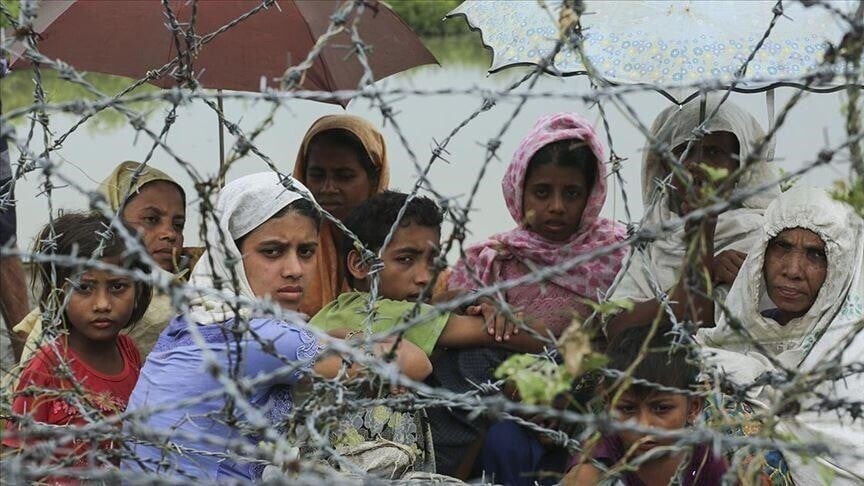
Nearly 1,500 Myanmar nationals departed Malaysia in late September and arrived in Yangon aboard naval vessels. The return program, driven by bilateral agreements and mass immigration enforcement, has drawn sharp warnings from the United Nations over ongoing civil conflict and rights violations in Myanmar.
Malaysia Deports First Wave of Myanmar Nationals Under Bilateral Agreement
Malaysia began sending back its first batch of 1,476 Myanmar nationals under a phased repatriation program. The operation launched despite intense pressure from international human rights organizations and the United Nations refugee agency to halt the returns. The deportations represent the initial wave of a broader agreement with Naypyitaw that could see up to 5,000 Myanmar nationals returned.
The initial group left Malaysian shores after completing sentences for unlawful residency and immigration offenses in detention centers. Myanmar’s Information Ministry confirmed the return of 1,476 citizens, noting that military officials and relevant ministries coordinated the operation. The Home Ministry of Malaysia had previously noted that the initial group was identified directly by Myanmar’s government.
Malaysian Prime Minister Anwar Ibrahim confirmed that Myanmar agreed to receive its citizens following direct bilateral negotiations, noting in a podcast posted on his Facebook page on September 16 that enforcement actions must avoid physical abuse, humiliation, or inhumane treatment. The first returning cohort comprised 1,370 men, 79 women, 20 boys, and seven girls, ranging in age from eight to 60. State media reported that family members and local authorities met the returnees at the port in Yangon to arrange transport to their hometowns, with state media featuring interviews with three unnamed returnees, two of whom stated they had been held in Malaysian immigration detention prior to their departure. Burmese authorities have also repatriated 1,905 citizens from Cambodia since January.
United Nations and Human Rights Monitors Warn of Active Conflict Risks
The return has triggered immediate alarm from international officials who point to the active civil war consuming Myanmar since the military coup in 2021. Edem Wosornu, the UNHCR Assistant High Commissioner for Protection, also expressed concern over the returns at a time when people sent back may face serious risks and potential needs for international protection.
“concerned by the reported imminent return of some 1,500 individuals … with ongoing armed conflict and widespread violence and human rights violations across Myanmar.”
Matthew Saltmarsh, UNHCR spokesperson, via Anadolu Ajansı
Independent monitors like Fortify Rights highlighted dire conditions inside immigration facilities, with senior human rights specialist Yap Lay Sheng noting that there is no telling how the regime would treat returnees. The International Court of Justice opened its first full genocide case in more than a decade earlier this year, involving accusations against Myanmar regarding the Rohingya Muslim minority.
Domestic Pressures and Public Hostility Shape Repatriation Plans
The mass deportations unfold against a backdrop of escalating immigration enforcement and rising hostility in Malaysia, where authorities held thousands of Myanmar nationals in immigration detention centers. According to the Home Affairs Ministry, Malaysia held 10,388 Myanmar nationals in immigration detention as of mid-August.
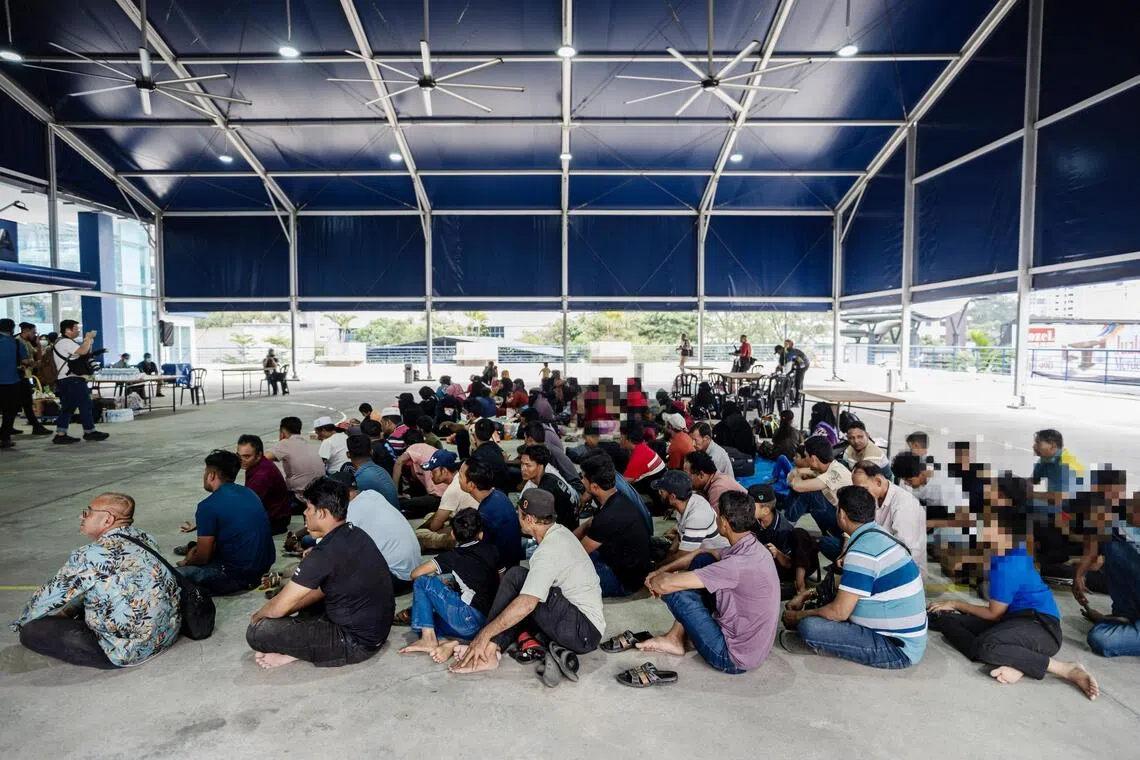
Malaysia is not a party to the UN Refugee Convention and treats refugees as undocumented migrants, yet it remains home to about 215,600 refugees and asylum-seekers registered with the UNHCR as of late February. Of those, 193,824 originated from Myanmar, including 64,680 children under the age of 18. UN figures indicate this population includes 126,144 from the Rohingya community, 15,774 Chin individuals, and 33,002 people from other minority ethnic groups. Beyond the 5,000 nationals targeted for phased repatriation, the Malaysian Home Ministry noted that another 4,008 nationals, mostly Rohingya, will be channeled to a new domestic registration scheme aimed at verifying identity, national security background, and immigration status.
Vessels Dock at Thanlyin Base as Regional Officials Prepare for Next Steps
Myanmar state television broadcast footage of the migrants during the journey home, showing them participating in aerobics classes on a ship deck while wearing T-shirts bearing the phrase Happy voyage back to motherland.
Meanwhile, Malaysia is already moving ahead with plans to return a second group of more than 3,500 refugees and migrants, while civil society groups and international bodies continue to monitor the unfolding situation.