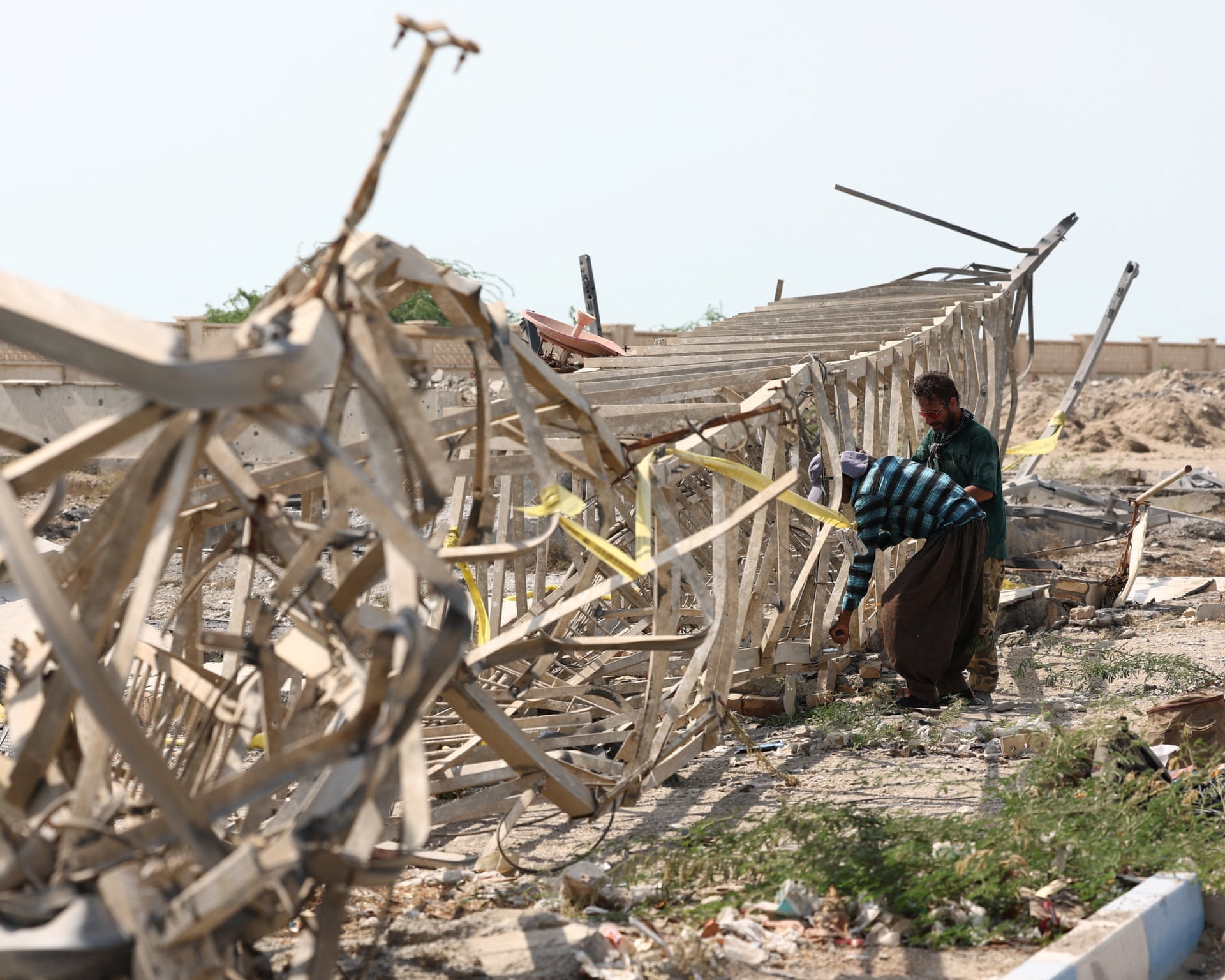
Bahrain issued its first nationwide threat alert in months on Sunday, November 15, as the Revolutionary Guard claimed a second drone attack on a US radar in the kingdom.
Six drones, the Revolutionary Guard said, targeted a US air-defence radar at Bahrain’s Riffa helicopter base on Sunday, and Bahrain answered with a nationwide alert.
The Interior Ministry urged citizens and residents to stay calm and go to “the nearest safe location,” The National reported. The ministry did not name the threat or any target. Kurdistan24 and the Express Tribune said it was Bahrain’s first such warning since September.
Six Drones Hit Riffa, Bahrain Gives Its Account
The Guard said the six drones from its Aerospace Force targeted the radar at Riffa. It called the attack the “second phase” of its response to US aggression, Kurdistan24 reported. The statement offered no evidence of damage.
🔺 Iran’s IRGC says it struck and destroyed a U. S. early-warning radar in Bahrain early Friday, in retaliation for an air attack on a telecommunications tower in Sirik, southern Iran. It warned of further retaliation if attacks continue. Reuters reports this is Iran’s first…
Bahrain’s Defence Force said its air defences intercepted and destroyed several Iranian aerial attacks before they reached their targets. “Iran continues its systematic hostile approach through attacks,” it said on X. It added that all units “remain at the highest level of readiness and are fully prepared,” according to the Express Tribune. Bahrain TV had earlier reported a single drone shot down. Washington had not confirmed the latest claims.
Separately, Saudi Arabia intercepted two ballistic missiles fired toward Riyadh by Yemen’s Iran-backed Houthis, plus drones over its Eastern Region, the Saudi Press Agency said, per The National.

The Guard’s statement also said the Strait is closed and that any further US attack would draw a harsher response. It said more of its drones were used against US targets in this phase than in the previous one. It also claimed to have downed a 17th American MQ-1 over Qeshm Island on Saturday. The US has not confirmed any loss, according to Kurdistan24.
The Guard further accused Washington of failing in an “escort” mission, which it said was really a way to move oil through Hormuz. According to the US military, its Navy has escorted over 1.5 billion barrels of crude through the strait since June.
Tehran Alone Says Friday’s Radar Was Destroyed
The first phase came November 13. The Guard said it destroyed a US early-warning radar in Bahrain in retaliation for a strike on a telecommunications tower in Sirik, on Iran’s Hormuz coast. “This is a serious warning to the aggressor enemy to end its aerial mischief and oil smuggling in the strait of Hormuz,” it said, The Guardian reported.
US Central Command rejected that. “The IRGC launched two one-way attack drones toward Bahrain and both were shot down by US forces. There were no injuries or damage,” it said, per Radio Free Europe/Radio Liberty. The command did not address the Sirik claim. The Guard stopped short of directly blaming the United States for it.

The report said it was Iran’s first report of targeting a facility in Bahrain since September. Bahrain hosts the Fifth Fleet. Iran struck US bases in Arab states, Bahrain included, during the air war that began in February.
The Aerospace Force said it was on full alert to respond without constraint to any repeated violation.
Hormuz Mine Claims Remain Unconfirmed
The Guard also said tankers struck naval mines while trying to cross the Strait, one on Friday and two more over the weekend. It said the ships had switched off tracking systems.
The National said the claims were not independently verified and that maritime authorities had not confirmed mine strikes. There was no immediate report of the Friday tanker incident from the United Kingdom Maritime Trade Operations, a British military agency that monitors incidents at sea.
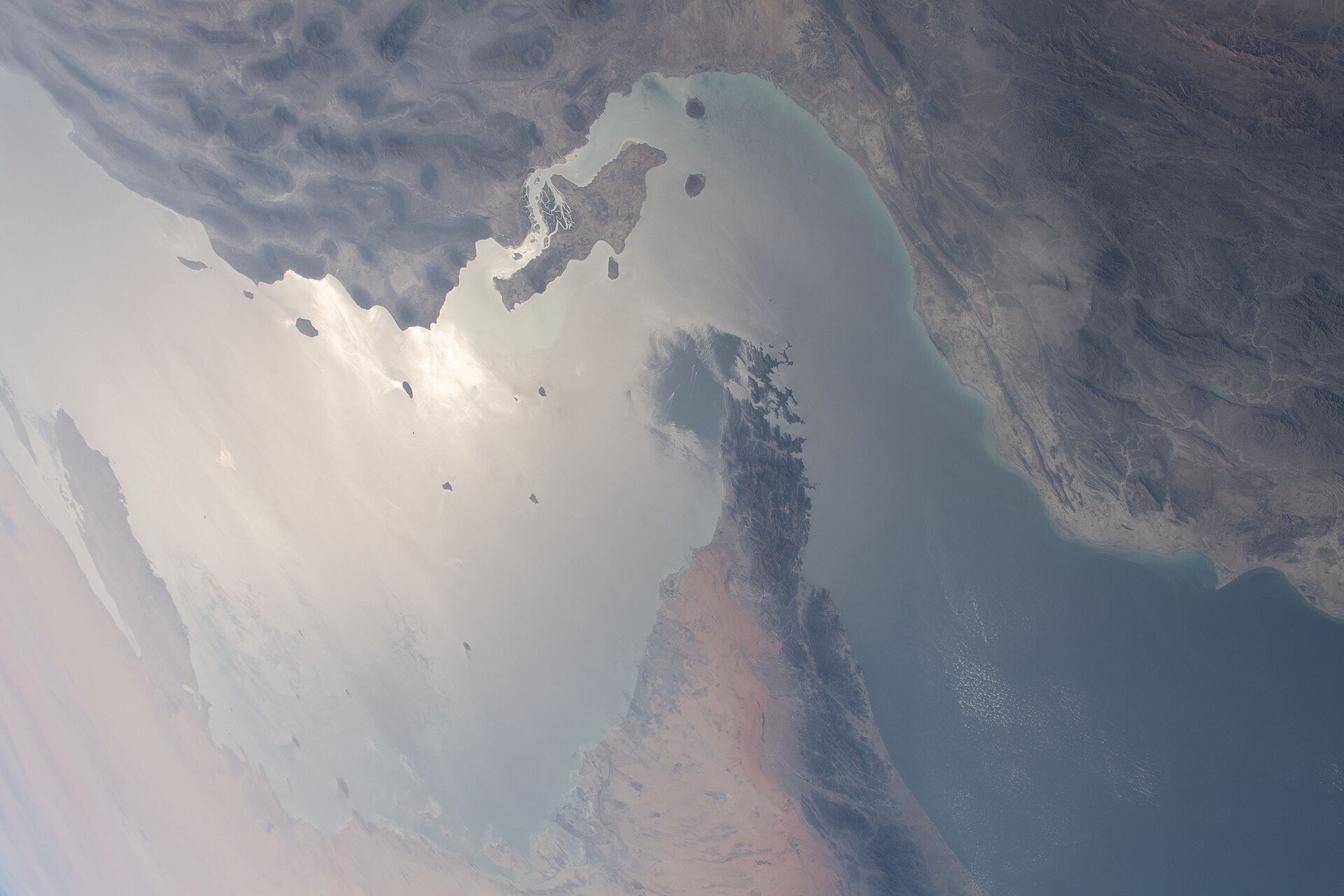
On Friday the Guard said a liquefied petroleum gas tanker struck a mine in the eastern part of the strait, according to IRNA, and that the vessel had ignored repeated warnings. Iran’s army said on November 12 that two oil tankers caught fire after hitting mines in the eastern strait. It said they had entered a “prohibited and unsafe zone.”
Diplomacy Stalls as Hormuz Traffic Stays Thin
According to a YouGov poll for the Council for Arab-British Understanding, 54% oppose the US using UK bases to launch attacks on Iran, while 29% are in favour.
The war began February 28 with US and Israeli strikes on Iran. Iran declared Hormuz closed again on July 12, and the IRGC formally declared it closed once more on October 26, with each closure accompanied by an intensifying mine campaign.
Keep reading
- Rep. Thomas Massie Introduces Articles of Impeachment Against Pete Hegseth
- Kraków Mass Shooting Suspect Michał Oksiński Dies in Hospital
- UM Professor Claims Physical Fitness Is a Tool of Fascism (bytewire.news)
- China Launches Nationwide Campaign to Prioritize Student Health and Sports Access (newsarchyuk.com)