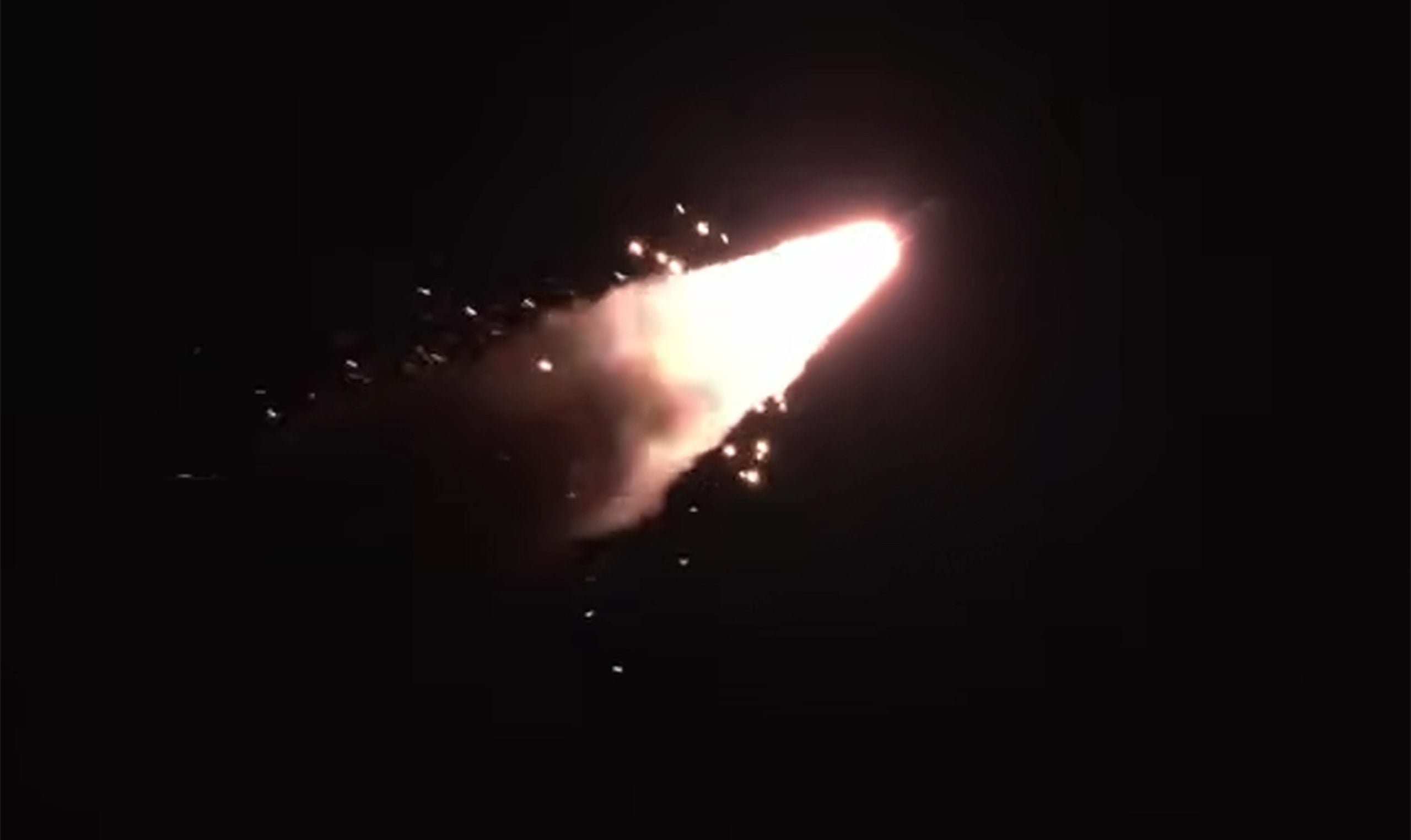
United Launch Alliance said Wednesday it will fly its Vulcan rocket again on Nov. 13, pending range approval, carrying Amazon Leo internet satellites from Cape Canaveral. The launch would end a nine-month grounding that followed a Feb. 12 solid rocket booster nozzle anomaly on a Space Force mission.
The mission, called Vulcan Leo 1, will lift off from Space Launch Complex 41, according to Talk of Titusville’s account of the announcement. It will carry the next batch of production satellites for Amazon Leo, the broadband constellation formerly known as Project Kuiper. The Orlando Sentinel reports the rocket will carry 40 of those satellites.
Aviation Week’s Vivienne Machi, the publication’s military space editor based in Washington, reported that ULA announced the date on Oct. 28. She described the planned launch as the first Amazon Leo flight on a VC6L rocket.
A redesigned nozzle, with testing still under way
ULA says the flight will use a reworked nozzle on the solid rocket boosters. The company called the February event a significant performance anomaly.
In its statement, ULA said the team had identified several potential contributors which have been mitigated through design and process improvements to the nozzle.
The Sentinel notes ULA is not entirely certain why the nozzles were burning through. ULA says testing and analysis will continue in parallel with the mission, and argues that flying the new design gains valuable flight data that validates these improvements.
The Sentinel adds that the company is trying to eliminate the problem with 100% certainty.
Vulcan’s second nozzle failure in four flights
Vulcan first flew in January 2024. Its second flight, in October 2024, produced the first nozzle burn-off on a Northrop Grumman-supplied booster, the Sentinel reports. That delayed the third flight and the rocket’s national security certification. The nozzle failed again on the USSF-87 mission in February, which Talk of Titusville identifies as involving a GEM 63XL booster. The payload still reached space.
The Space Force announced Feb. 26 that it would fly no more national security missions on Vulcan until the investigation ended. Meanwhile ULA stacked the vehicle and ran first-time ground operations and a wet dress rehearsal, Talk of Titusville reports.
Four Space Force missions moved to SpaceX
Amazon’s flight does not restore military work. Brig. Gen. Eric Zarybnisky, the Space Force’s portfolio acquisition executive for space access, told reporters Oct. 21 that his team is actively working with United Launch Alliance.
Air & Space Forces Magazine says the service has already moved four missions to SpaceX’s Falcon 9 and Falcon Heavy:.
- The final GPS III satellite, launched on a Falcon 9 in April.
- A Space Development Agency Tranche 1 tracking mission, expected on a Falcon 9 before year’s end.
- A payload stack including the Air Force Research Laboratory’s Oracle-M, moved from USSF-112 to USSF-63 on a Falcon Heavy.
- A Next-Gen OPIR satellite, moved from USSF-50 to USSF-174 on a Falcon Heavy.
What the pause has cost ULA
ULA had planned to ramp up to 24 launches a year from Florida. It has managed five this year: one Vulcan and four Atlas V, per the Sentinel. Its Vulcan backlog includes more than two dozen national security launches and 37 for Amazon. Amazon has flown nine missions on Atlas V, which carried only 29 satellites at a time, and only six Atlas V rockets remain, all reserved for Boeing’s Starliner.
The Nov. 13 flight carries other firsts: Vulcan’s most powerful configuration with six boosters, a shortened Centaur V upper stage, and integration in ULA’s new VIF-A facility. It also marks the return of Blue Origin’s BE-4 engine after a May anomaly tied to a main oxygen valve, Talk of Titusville reports. Whether any of that clears Vulcan for military payloads remains unanswered.