University of Cincinnati researchers have identified an insulin-independent pathway in mouse skeletal muscle that absorbs glucose through a sodium-linked transport mechanism distinct from the standard GLUT4 protein.
The study, published in Communications Biology, reveals that contracting muscle can clear blood sugar without relying on insulin signals. While the mechanism shares properties with the kidney transporter SGLT2—which is targeted by drugs such as Jardiance—the Cincinnati team cautions that no human treatments currently exist based on these findings.
How Muscle Tissue Handles Blood Sugar Without Insulin
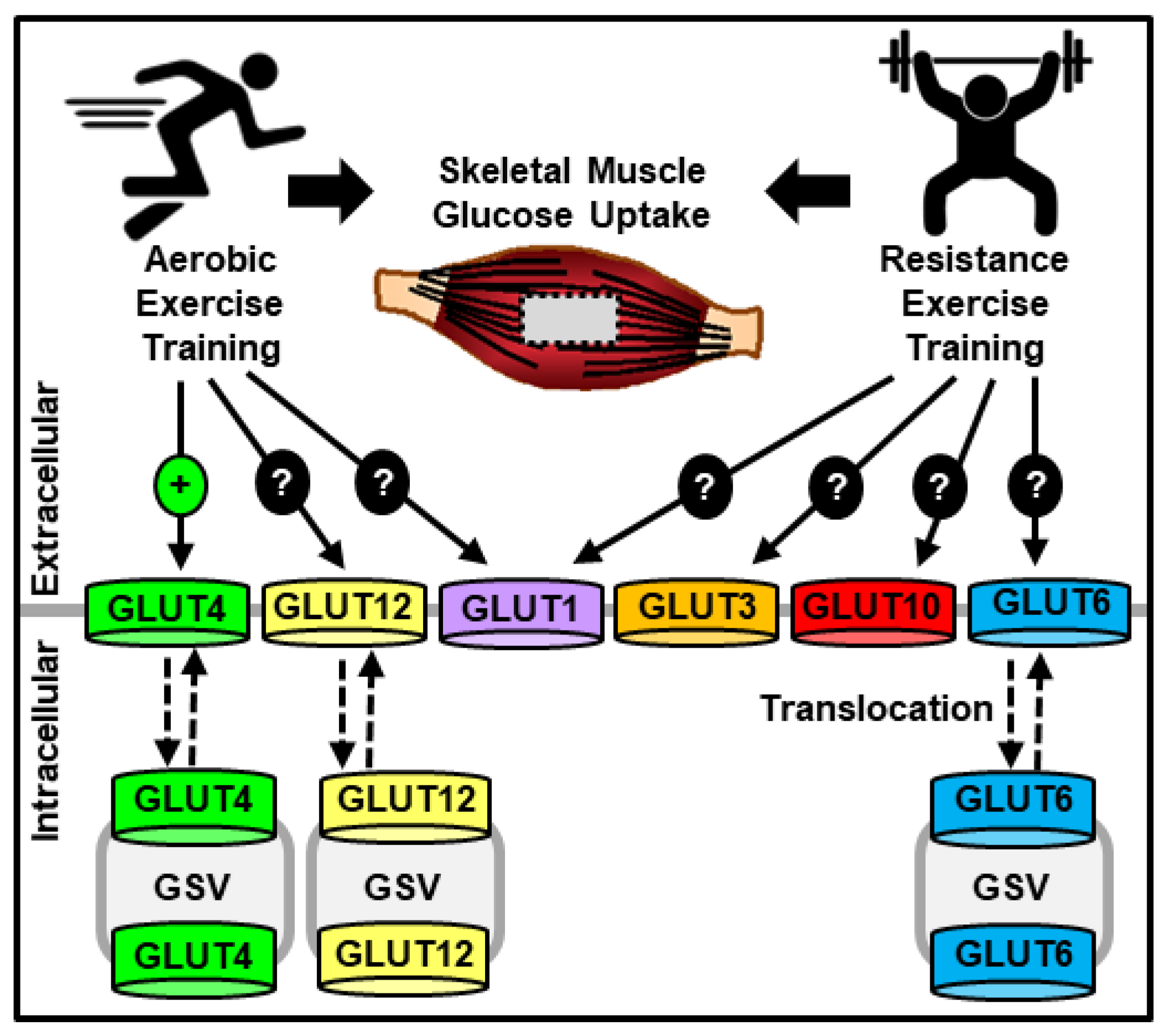
Skeletal muscle accounts for roughly 40% of human body mass and acts as the body’s primary depot for clearing glucose. Following a meal, rising insulin directs muscles to absorb up to 90% of ingested sugar through the GLUT4 transport protein. During exercise or stress, however, insulin levels drop, yet working muscles can pull in glucose at rates up to 100 times higher than post-meal levels.
To investigate how this occurs without insulin, researchers isolated muscle tissue from male and female C57BL/6 mice sourced from The Jackson Laboratory and Charles River Laboratories. They applied electrical stimulation to mimic muscle contraction under insulin-free conditions, using glucose derivatives that bind to SGLT-type transporters rather than GLUT4.
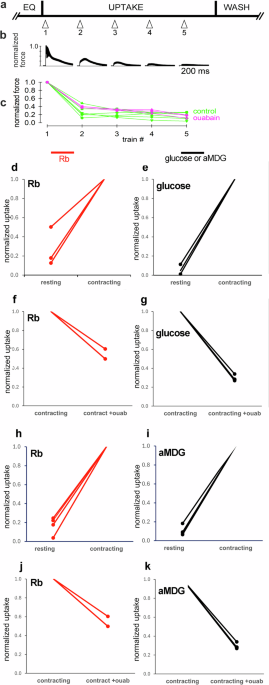
We showed that if we stimulate muscle to contract in insulin-free conditions, it can take up a lot of glucose from a pathway that’s not GLUT4.
Judith A. Heiny, Professor Emerita in the Division of Neurobiology and Integrative Physiology at the University of Cincinnati College of Medicine
The newly characterized pathway, designated mSGLT, requires Na,K-ATPase-α2 activity and transports the glucose derivative “alpha-methyl-D-glucoside” (αMDG). Researchers observed that mSGLT shares antigenicity with kidney SGLT2 and localizes within muscle t-tubules alongside MAP17, the regulatory subunit of SGLT2.
Adult male and female mice aged two to three months supplied the tissue for the experiments. The investigative team also examined frozen human vastus lateralis muscle samples obtained from the University of Kentucky Center for Muscle Biology. To achieve nominally insulin-free conditions during testing, investigators fasted the mice for three hours prior to muscle extraction in order to lower circulating insulin levels.
The research procedures accorded with the Guide for the Care and Use of Laboratory Animals from the National Research Council of the National Academies, and approval was granted by the University of Cincinnati Institutional Animal Care and Use Committee under protocol number 25-04-15-01.
Implications for Diabetes Research and Next Steps
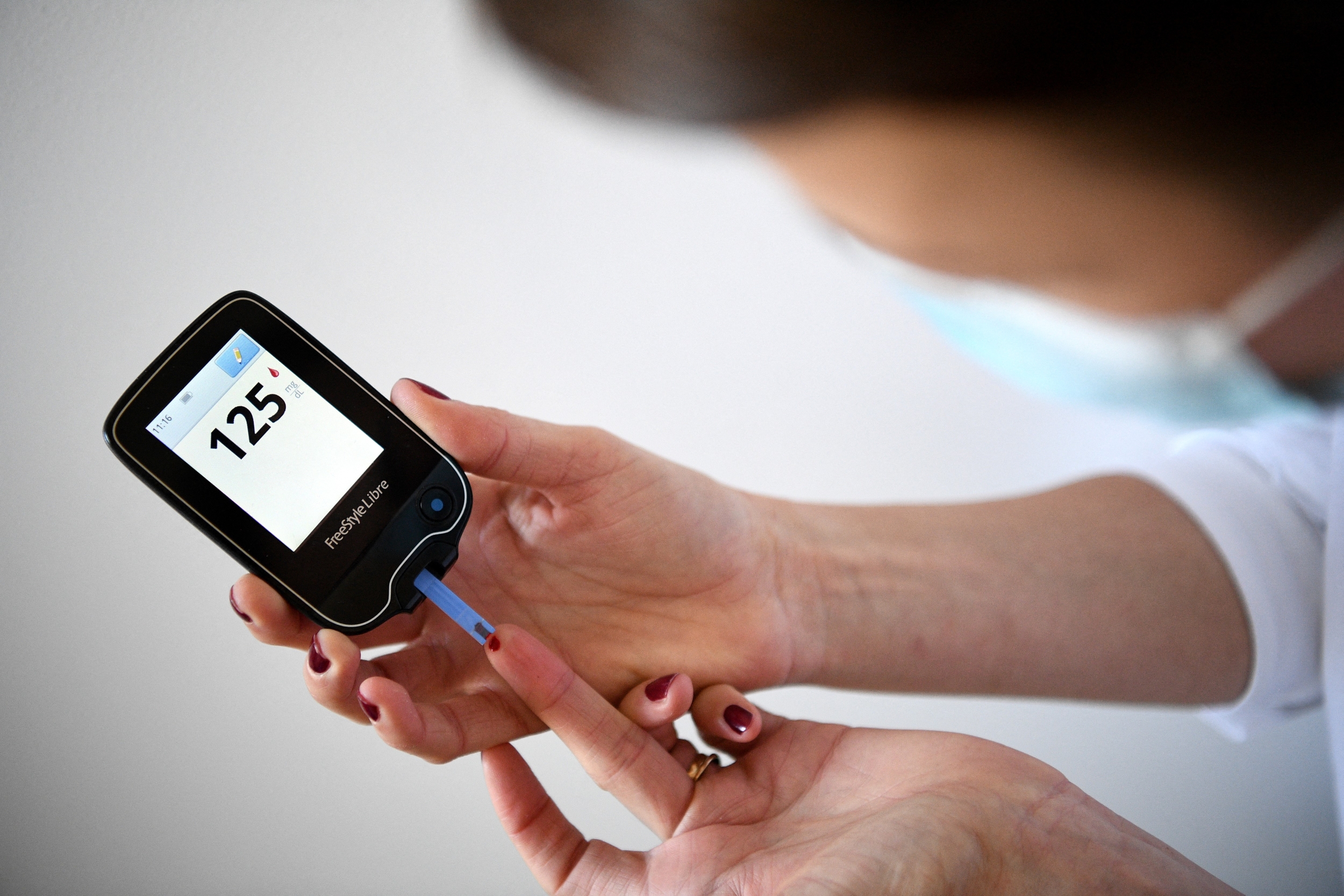
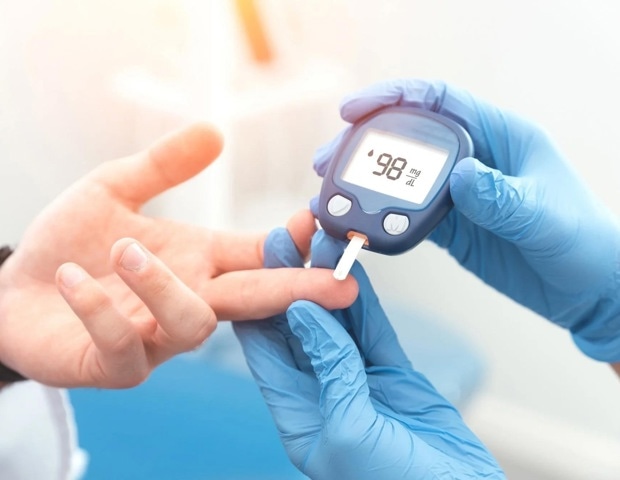
The discovery offers a potential explanation for why physical activity successfully lowers blood sugar in individuals with type 2 diabetes or insulin resistance, whose cells often respond poorly to insulin. According to data from the Centers for Disease Control and Prevention cited alongside the findings, roughly 40.1 million people in the United States had diabetes in 2023, while approximately 115.2 million adults had prediabetes.
This insulin-independent process uses a glucose transport protein in skeletal muscle and may offer a drug target for controlling blood sugar.
Judith A. Heiny, Co-Corresponding Author
Natalie Norman, the study’s first author who contributed to the work as a University of Cincinnati graduate student and is now a postdoctoral researcher at the Karolinska Institute in Stockholm, noted the potential therapeutic horizon. “A therapy that targets glucose uptake by skeletal muscles could be as impactful as SGLT2 inhibitors that lower blood sugar by stimulating the kidneys to excrete excess glucose in the urine,” Norman said.
Collaborating with researchers at the Icahn School of Medicine at Mount Sinai, the team also developed an analytical technique to measure glucose uptake using inductively coupled plasma mass spectrometry (ICP-MS). The broader research effort was funded by the National Institutes of Health, the University of Cincinnati College of Medicine, and private philanthropy.
Founded in 1819, the University of Cincinnati is a public research university in Cincinnati, Ohio, with an enrollment of over 53,000 students in 2024. It is classified among R1 doctoral universities for very high research activity and spent $739 million on research and development in 2024. The institution pioneered the cooperative education model in 1906 and its medical college has produced developments including a live polio vaccine and diphenhydramine.
Investigators emphasize that the work remains at an early stage. The specific gene and protein responsible for mSGLT have not yet been identified at the molecular level, and no clinical treatments or medications targeting the pathway have been tested in humans.
Many promising targets identified in mouse tissue never progress to a usable medicine, and any potential drug would require years of testing to establish safety and clinical benefit. Patients are advised to maintain their prescribed medications and consult qualified medical professionals before making any changes to their treatment regimens.