
Young adults who drink energy drinks or take stimulant supplements may want to mention it to their doctors if they have palpitations, chest pain or fainting. In an FDA safety database, reports of cardiac arrest were about 11 times more common when caffeine- or stimulant-containing products were involved, according to preliminary University of Virginia research. It covers 28,345 reports from 2017 to 2025 and will be presented at the American Heart Association’s Scientific Sessions in Chicago, Nov. 6-9, 2026.
About 45% of reports linking these products to cardiovascular events involved adults aged 18 to 34, a group not usually considered at high risk, says the AHA’s Nov. 2 release. The work is a meeting abstract, and Medical Daily noted it has not been published in a peer-reviewed journal.
28,345 FDA Reports Point to Heart Events
Researchers at the University of Virginia School of Medicine reviewed reports from people aged 13 or older. Of the 28,345, 854 involved caffeinated energy drinks or stimulant dietary supplements; 27,491 involved products without those ingredients, according to Community Newspaper Group. Patterns were similar in men and women.
Compared with reports on products lacking caffeine or stimulants, reports on the caffeinated products mentioned the following more often, per the figures USA Today relayed:
| Event in the report | Reported more often by about |
|---|---|
| Cardiac arrest | 11 times |
| Heart attack | 4.5 times |
| Ventricular arrhythmias | 4 times |
| Heart palpitations | 4 times |
| Elevated heart rate | nearly 3 times |
| Chest pain | 2.71 times |
| Fainting | 2 times |
Products were grouped by ingredient, not brand. The categories covered caffeine, methylxanthines such as theobromine, guarana, yerba mate and green tea or coffee extracts, and sympathomimetics such as synephrine, yohimbine, ephedra, DMAA and higenamine.
Why an 11-Fold Reporting Ratio Is Not Personal Risk
The data come from voluntary reports, and the analysis is retrospective and observational. Fox News Digital reported that the 11-fold difference in cardiac arrest reporting does not mean consumers are 11 times more likely to have a cardiac arrest.
Dr. Gregory Marcus, chair of the 2026 AHA scientific statement on caffeine and cardiovascular disease, said: Although there are biological reasons why that connection could be possible, the study does not prove that caffeine products cause these events, because other factors may have influenced the results found in this analysis.
Dr. Abdul Saadi, an interventional cardiologist at Orlando Health in Brandon, told FOX 13 Tampa Bay that large epidemiological reviews help narrow focus on particular patient groups, and that this may be a hypothesis generating type of study.
Energy Drinks Pack More Caffeine Than Coffee
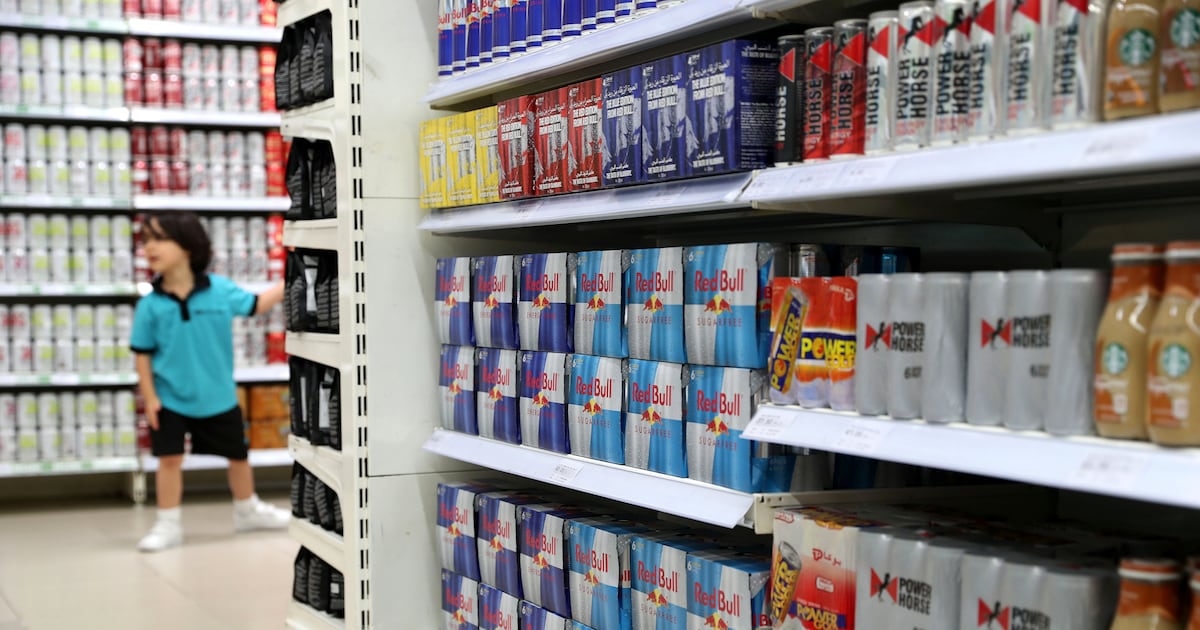
A 2026 AHA Scientific Statement says up to 400 mg of caffeine a day, the equivalent of up to five 8-ounce cups of black coffee, is generally safe for most adults. According to the AHA release, as relayed by Medical Daily, some energy drinks carry up to three times as much caffeine per fluid ounce as brewed coffee, and some pre-workout supplements more than 12 times as much.

Cardiologist John Higgins, who was not involved in the research, told NBC: We should not put coffee and energy drinks in the same safety category just because both contain caffeine.
The AHA says U.S. sales of caffeinated energy drinks have more than doubled over the past decade, to over $20 billion in 2024. PhillyVoice gave $25 billion for the industry that year.
Clinicians Urged to Ask Younger Patients
Study author Sai Samayamanthula, a fourth-year medical student at the University of Virginia School of Medicine, said: “Our findings support the case for more systematic safety monitoring of caffeine- and stimulant-containing products. In addition, healthcare professionals should remember to ask their younger patients who have palpitations, chest pain or fainting spells if they recently or regularly consume these products.”
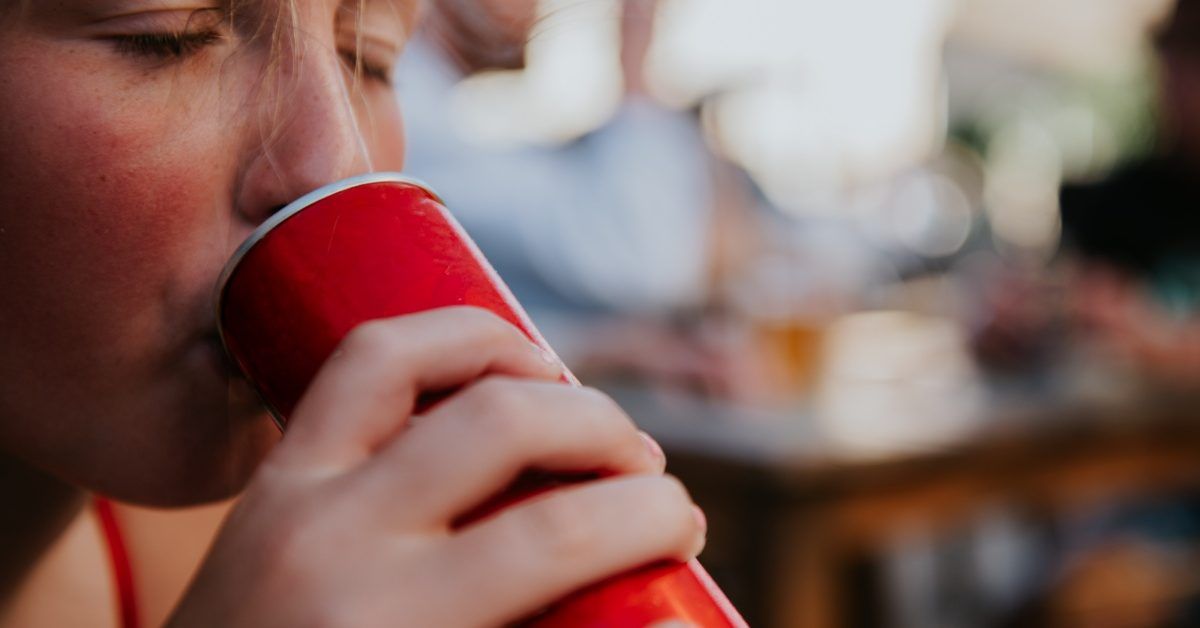
He also said that for many healthy people occasional use probably carries small risk, but that regular users can quickly exceed the recommended daily caffeine limit.
Colin Kane, a pediatric cardiologist at Children’s Health and professor at UT Southwestern Medical Center who was not involved, told Fox News Digital that some people may have heart conditions not yet diagnosed. Cardiologist Cheng-Han Chen, also not involved, told Healthline that caffeine can raise blood pressure and heart rate, and that guarana and taurine may add to the stimulation.
UAE Tax and Age Limits Slash Energy Drink Sales
In the UAE, energy drinks carry a 100 per cent excise tax, The National reported. Under-16s are banned from buying them and products carry warnings. Euromonitor International market research showed such taxes cut sales by up to 65 per cent in the first 15 months after they were introduced.
The full findings will be presented at the AHA Scientific Sessions in Chicago, Nov. 6-9, 2026.