
Seventy-nine percent of neonates undergoing non-cardiac surgery experience intraoperative cerebral desaturation, while routine monitors show stable vital signs.
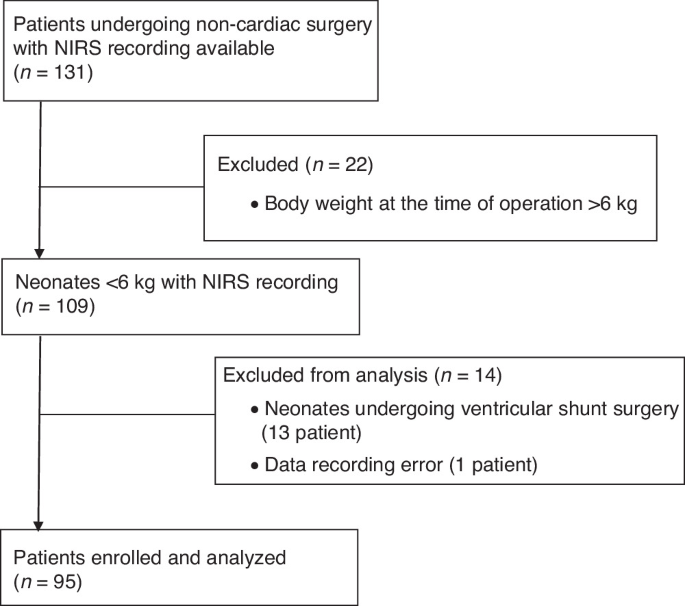
- Ninety-five neonates with a median postmenstrual age of 39 weeks were monitored during non-cardiac operations between March 2021 and July 2023.
- Seventy-five infants experienced at least one intraoperative cerebral oxygen desaturation episode, totaling 172 mild, 43 moderate, and 48 severe events.
- Severe cerebral desaturation events lasted a median of 39.2 minutes and showed a median carbon dioxide drop of 32.8%.
Clinical investigators tracked 95 infants undergoing non-cardiac operations under general anesthesia to evaluate continuous cerebral tissue oxygenation alongside standard systemic physiology. The prospective observational study appeared in Pediatric Research on November 28, 2026, by Vera Balog, Sarolta H. Trinh, Luca Bogner et al. (12 authors), capturing continuous multimodal time-series recordings without altering routine intraoperative clinical decisions.
Surgical interventions included corrective procedures for congenital esophageal atresia, surgical ductus arteriosus ligations, pulmonary resections, laser photocoagulation procedures for retinopathy of prematurity, and miscellaneous urogenital surgeries. Senior pediatric anesthesiologists conducted induction and airway maintenance using inhalational sevoflurane or intravenous propofol supplemented with fentanyl, muscle relaxants, and regional anesthesia blocks as clinically warranted.
Investigators documented 172 mild events distributed among 59 infants, lasting a median duration of 2.5 minutes. Forty-three moderate desaturation episodes occurred across 30 infants, maintaining a median duration of 18 minutes.
Severe cerebral desaturation presented a different physiological profile.
The timing of the end-tidal carbon dioxide nadir coincided exactly with the lowest point of regional cerebral oxygen saturation, yielding a median difference of zero minutes between the two events. End-tidal carbon dioxide decreased by a median of 32.8% during severe desaturations. Reductions in end-tidal carbon dioxide demonstrated the strongest temporal association with severe cerebral desaturation.
Systemic peripheral pulse oximetry, heart rate, and non-invasive mean arterial blood pressure demonstrated minimal deviation from normal operative limits during these severe cerebral desaturations. Mean arterial pressure nadirs tended to develop earlier, occurring at a median of 2.5 minutes before the cerebral nadir.