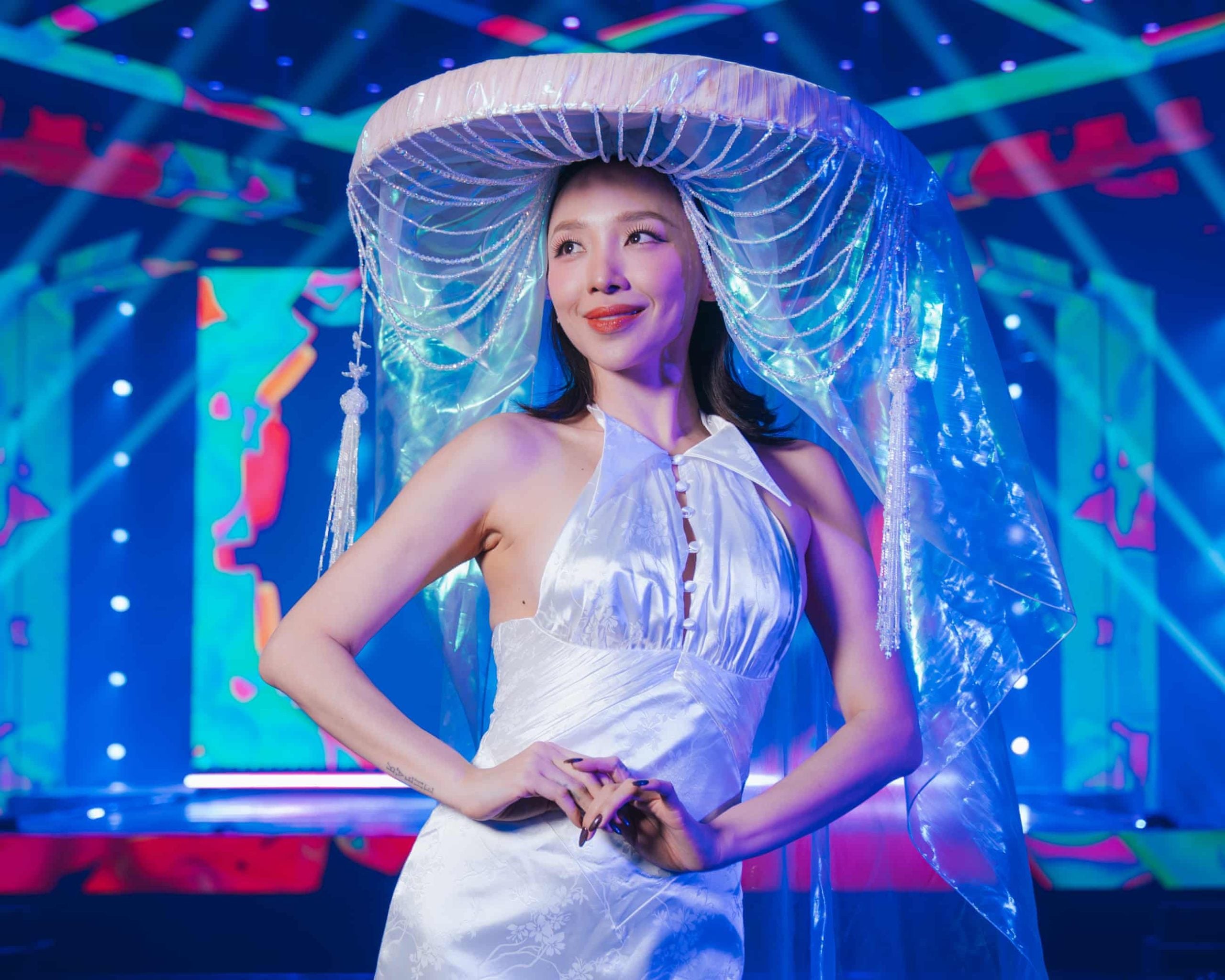
Eleven countries take the stage at the One Bangkok Forum on Saturday 14 November for the first Eurovision Song Contest Asia, with India, Japan and China missing from the lineup.
It could take “two, three, five years” to establish the brand, said Martin Green, director of the European Broadcasting Union (EBU), which organises Eurovision. Tickets were still available hours before showtime, AFP reported.
Green contrasted the new show with the first Eurovision, which he described as seven singers doing two songs each with a pot plant and a microphone. Saturday’s show, he told reporters, was “profoundly not the case”.
How to Watch the Bangkok Final
Broadcast begins at 1330 GMT (14:30 CET), with results due around 1600 GMT, according to AFP. OurVision says the final should run about two and a half hours. Woody Milintachinda and Cindy Bishop host. In Bangkok the show starts at 19:30 local time.
The Eurovision YouTube channel carries the show; TV Insider lists a US start of 8:30 am. In Australia, The Guardian reports, SBS broadcasts it, with a replay on SBS2 on Sunday 15 November, TV Tonight says. Courtney Act commentates for Australia. The live broadcast on SBS On Demand begins at midnight AEDT.
Eleven Acts Take the Stage
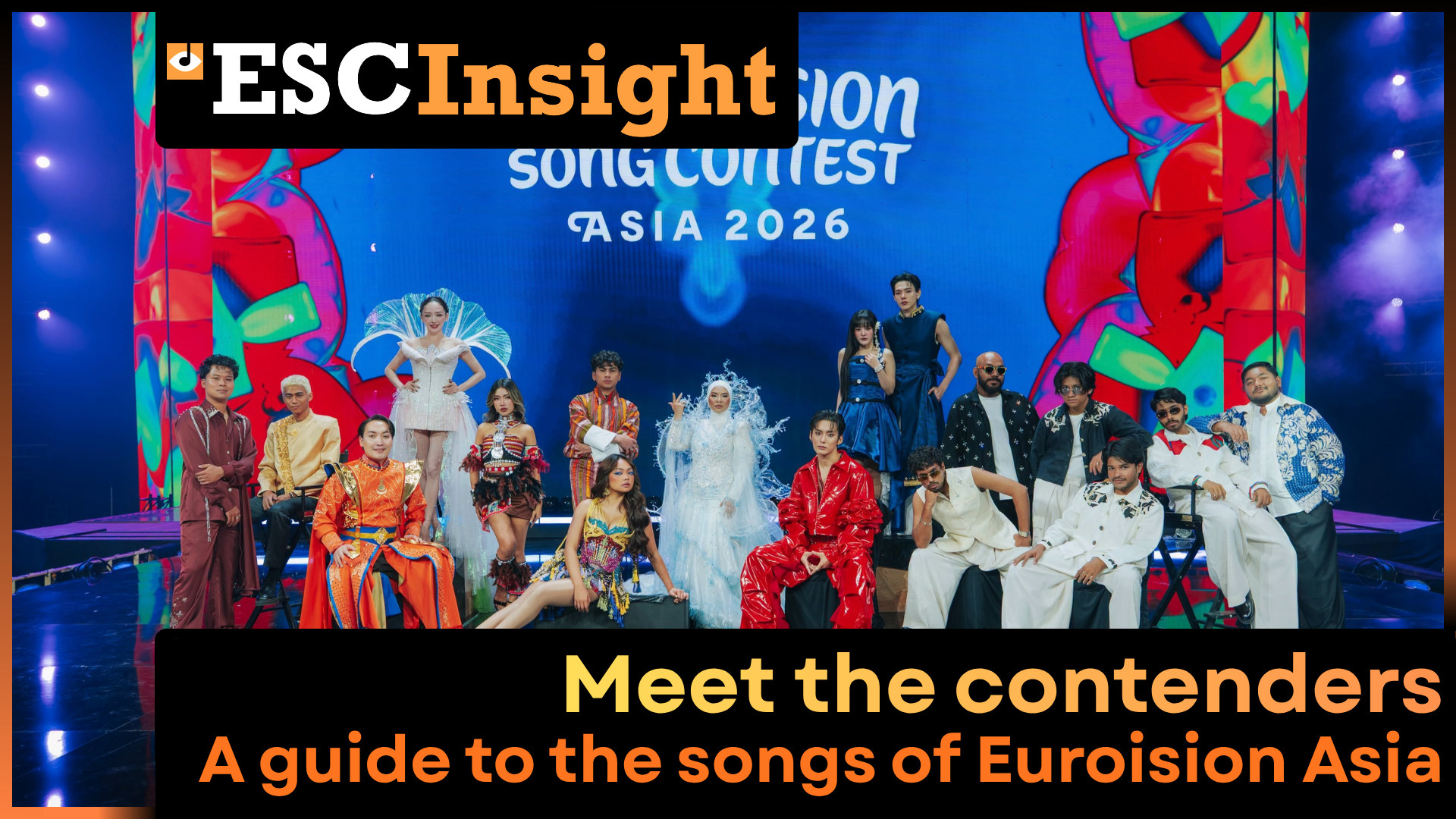
Per Eurovoix, the running order is:
- Vietnam: Tóc Tiên, EM TIÊN
- Cambodia: Monetrey, I Let You Go
- Laos: Thinla, BAE
- Mongolia: Beck, Chamguigeer (Without You)
- Bhutan: Nyendra, Lhayi Semo
- Philippines: CARMELLE, Sobra-Sobra
- Bangladesh: Beatmosphere, Tumi Ele
- Thailand: MANG x DAOU, Aroma
- South Korea: JUNHEE, DEEP DIVE
- Nepal: Pratik Himal Rai, Ananta Maya
- Malaysia: Aina Abdul, Bluest Sky
Mongolia’s song changed after its national final. ESC Insight reports the original winner, Light, was disqualified after it emerged it had been released in 2018, so the runner-up went forward. The same site says contest rules forced Bangladesh’s nine-member collective to perform as six.

“I’m not a star, but I want to be.” said Junhee, the South Korean entry.
Malaysia’s Aina Abdul was chosen differently from the other entrants, who went through the formula Voxovation offered to broadcasters. She won the Anugerah Juara Lagu competition, held annually since 1986, where she had previously triumphed three times. She cited Celine Dion, who won Eurovision in 1988, as an inspiration and said it was about time the contest came to Asia. The Philippines’ Carmelle is considered another frontrunner.
Bhutan’s Nyendra, 24, had never left his country before the contest. Winning, he told AFP, “would mean the entire world to us, not only for me, but for the entire country”.
How Asia’s Contest Differs From the European Original
The European edition is organised by public broadcasters; the Asian one is run by private television networks, AFP reports.
Per OurVision, the result is 50 per cent audience and 50 per cent 11 expert juries from participating countries. Audience votes are counted in 12 blocks: the 11 countries plus the rest of the world. The scoring follows the European pattern, with top songs receiving 1 to 8, 10 or 12 points. No nation can vote for itself.
TV Insider says the winner earns a guest slot at the 2027 contest in Europe without competing, and winning does not confer hosting rights.
A 70-Year-Old Brand Faces Its Test
Eurovision drew 131 million viewers in 2026, but figures fell 35 million on the year after five countries boycotted over Israel’s participation, AFP reported. Organisers brush off any link to the Asia show.
Executive producer Assaf Blecher said this edition is “a little bit more innocent”. He said viewers in Cambodia and Thailand, whose countries clashed over their border last year, could vote against each other.
Precedent is mixed. A US version in 2022 fell flat, AFP said; TV Insider says NBC’s American Song Contest lasted one season. Ticket sales for Bangkok have been sluggish, and Blecher acknowledged that Eurovision is very big in Europe and very new in Asia.
Blecher told AFP, per Türkiye Today, that three years of preparations had fostered a public appetite for the show and that he hoped it would be the first of many.
One contestant sees a longer horizon. “One day, sooner or later, maybe it will be like a ‘Eurovision World,’ united, with all the continents together on the same stage,” he told AFP.