European Union foreign affairs ministers face political stalemates over policy toward Israel as more than 500 former senior officials and diplomats condemn the bloc’s failure to take action while Britain, France, and Canada pledge to ban goods from illegal settlements and impose sanctions.
Ministers Face Public Backlash and Diplomatic Pressure Over Israel Policy
A meeting of European Union foreign affairs ministers is likely to showcase the bloc’s stasis in policy towards Israel, highlighting a growing disconnect between institutional paralysis and rising public anger across member states.
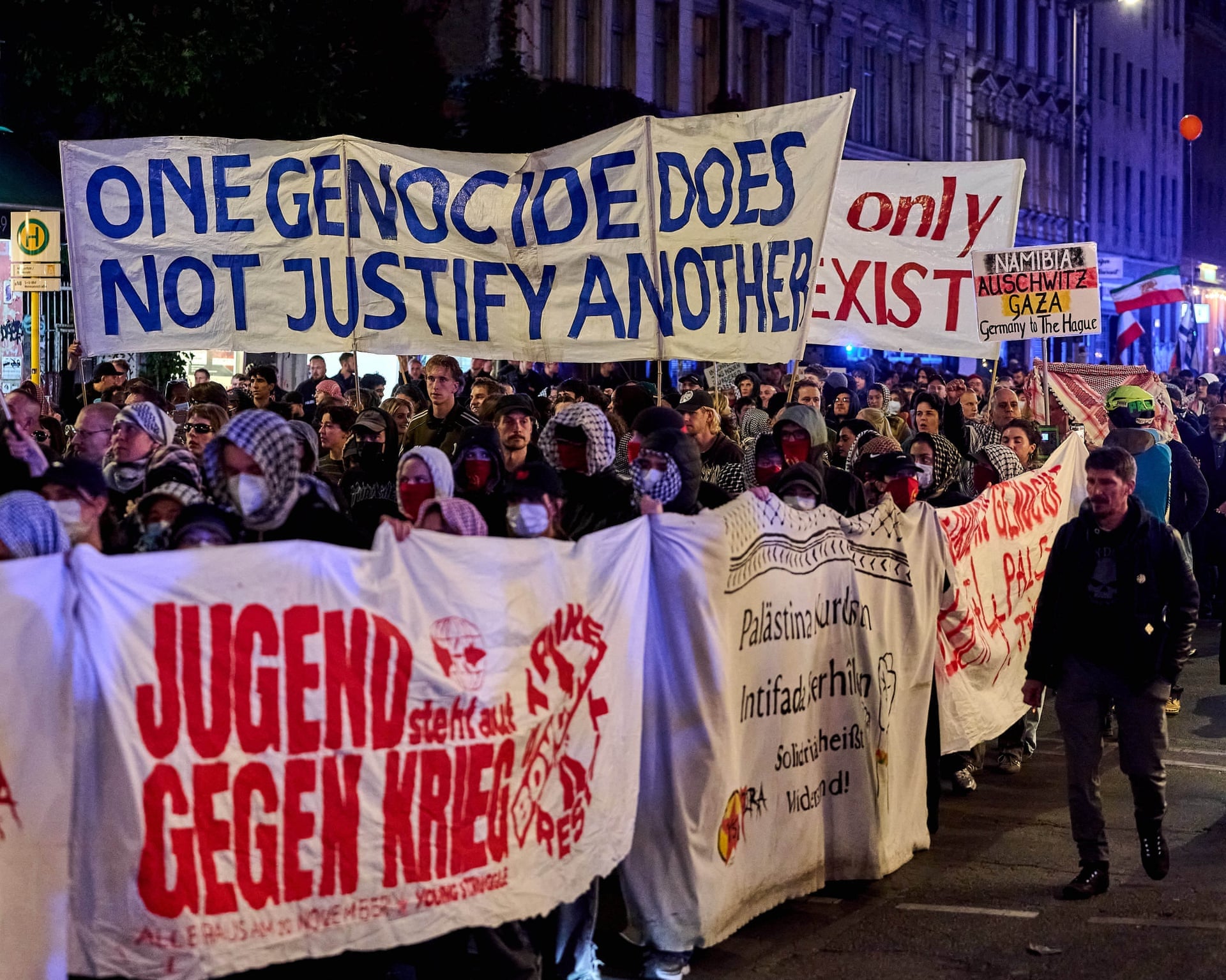
Recent polling conducted by the Pew Research Center across 10 European nations found large majorities of people had a negative opinion of Israel following wider regional economic shocks and the war on Iran. Negative views jumped in major economies, reaching 75% in Italy, 73% in Germany, and 70% in Poland.
Five countries boycotted the Eurovision song contest over Israel’s participation before organisers altered eligibility rules to bar broadcasters whose states are involved in armed conflicts or sensitive geopolitical situations. Meanwhile, the humanitarian crisis in Gaza persists. More than 74,000 people, including at least 21,200 children, have been killed since Israel launched military operations following the 7 October 2023 Hamas attack, which killed 1,209 people—including 36 children—and saw 251 hostages taken.
Britain, France, and Canada Take Action While EU Stays Deadlocked
The British government recently announced sweeping sanctions on trade with illegal Israeli settlements and condemned what it termed ethnic cleansing
in the West Bank by state-backed settler terrorists
. France and Canada quickly joined the UK in pledging import bans on goods originating from illegal settlements alongside financial penalties targeting those who facilitate them or profit from them
.
While individual nations take unilateral measures, the 27-member European Union remains deadlocked. Those diplomatic actions failed to generate a wider bloc-wide policy change. Martin Konečný, director of the Brussels-based European Middle East Project, described the resulting diplomatic posture bluntly.
Adding to the internal pressure, a group of more than 500 former senior EU officials and diplomats—including former prime ministers of France, Italy, and Sweden, alongside former chief diplomat Josep Borrell—issued a public statement criticizing the bloc’s inaction.
Factions Emerge Across Member States Ahead of Foreign Talks
The upcoming EU discussions, which also cover conflicts in Iran and Yemen, arrive ahead of elections in Israel on October 27 and prospective legislative elections in Palestine by late November. These talks expose three distinct factions within the European Union.
- Spain and Ireland lead a bloc demanding a formal review of whether Israel’s conduct violates the human rights requirements of its €68bn (£58bn) association agreement with the EU.
- Germany and Austria maintain close historical ties opposing sanctions, while Czechia and Italy remain ideologically aligned with Benjamin Netanyahu’s administration.
- France and the Netherlands occupy a middle group, expressing mounting concern over Gaza operations and plans to build the E1 settlement, which critics warn threatens the two-state solution.
In their collective statement, the 500 former diplomats singled out Germany and Italy for criticism, writing that the two nations continue systematically to block the adoption of any EU measures, thus becoming de facto complicit in undermining both EU values and the two-state solution
.
Will the upcoming ministerial meetings bridge the divisions between Spain and Germany, and when will the European Union reach a consensus on its settlement trade policy?
Keep reading