
“This challenges the idea that deep-sea species are naturally more resilient because they occupy such vast environments,” said Pedro A. Peres, an FIU marine scientist leading a new genetic investigation.
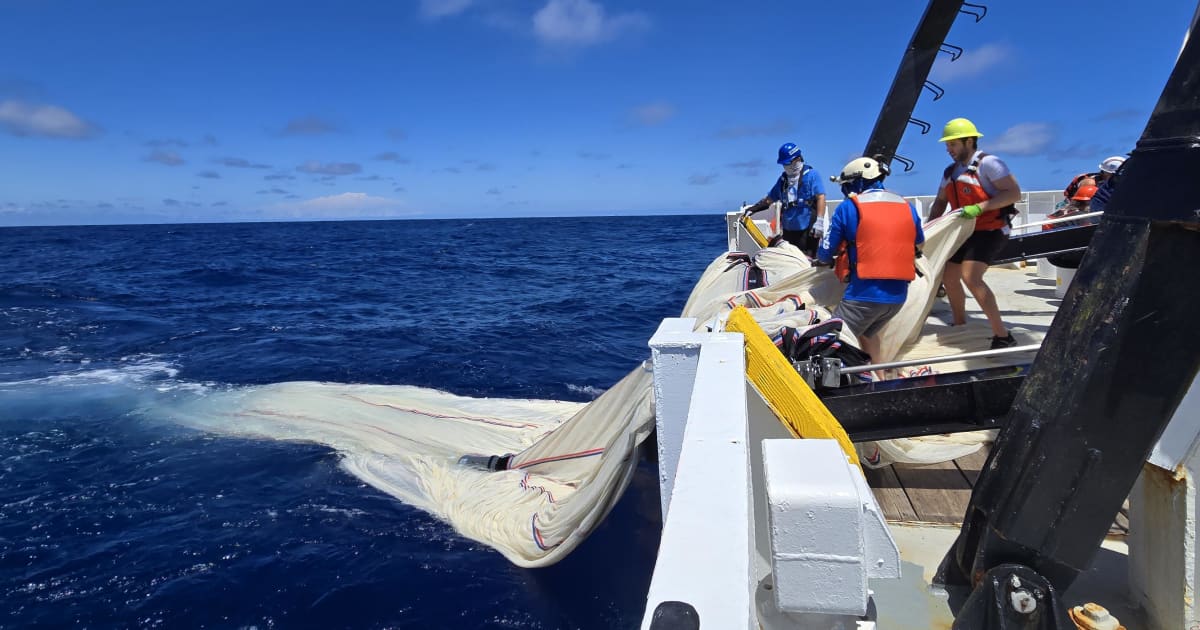
Hundreds of meters beneath the surface of the Gulf of Mexico, fish and shrimp are displaying genetic warning signs linked to extinction risk. Researchers at Florida International University examined genetic data from 486 specimens collected between 2011 and 2023, revealing that a biodiversity crisis may be unfolding in one of the planet’s least understood habitats.
Genetic Losses in Lanternfish and Deep-Sea Shrimp
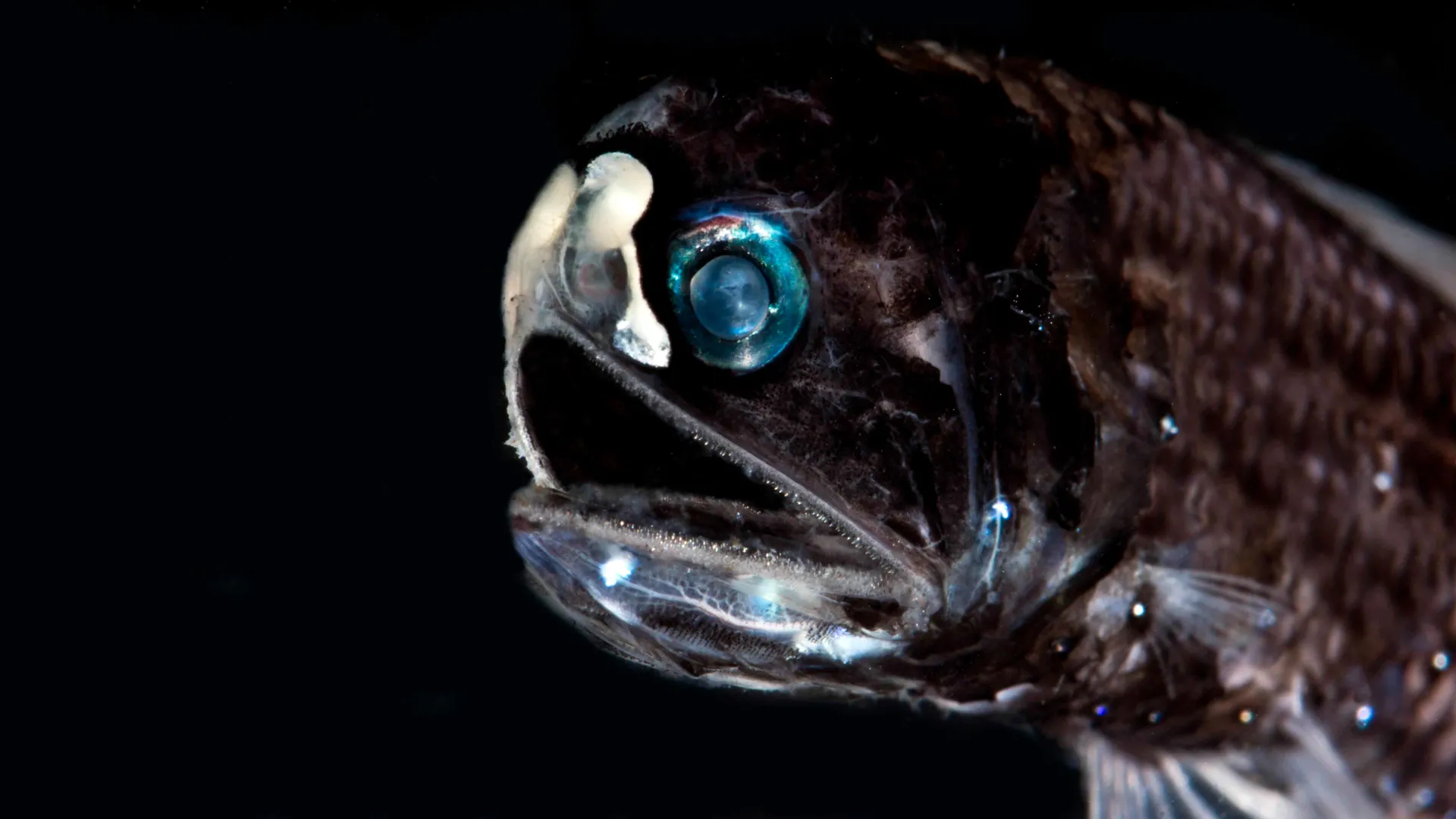
The study focused on three species of lanternfish and two species of deep-sea shrimp. Each of the five species showed genetic warning signs associated with elevated extinction risk. One lanternfish species, Diaphus dumerilii, lost approximately 8% of its genetic diversity over a 12-year period. Researchers said that this decline matches or exceeds losses recorded in some threatened and endangered animals over much longer timespans.
In addition to dropping genetic diversity, all five species exhibited relatively small effective population sizes. This measure does not mean animals are scarce in raw headcounts. Instead, it indicates that a relatively small group of individuals is contributing genetically to future generations.
Genetic diversity provides the variation populations need to adapt to changing conditions, resist disease and recover from environmental disturbances.
Heather Bracken-Grissom, assistant director of the Institute of Environment’s Coastlines and Oceans Division at Florida International University
Bracken-Grissom, a co-author of the research alongside Keith Sellers, emphasized that losing this variation strips species of their ability to withstand future threats.
Climate Models and Habitat Projections Through 2100
To evaluate future pressures, the research team used climate models to project how suitable deep-sea habitats in the Gulf might become by 2050 and 2100. The projections indicate that four of the five studied species could face severe habitat reductions, potentially losing as much as 70% of their suitable range.
These habitat contractions threaten to squeeze populations already showing signs of limited genetic resilience. The findings complicate long-held assumptions that the sheer vastness of the deep ocean naturally shields marine life from broad environmental changes.
Environmental Monitoring and Research Support
The published findings were featured in Nature Communications under lead researcher Pedro A. Peres from the Bracken-Grissom Lab. Financial backing for the investigation came via grants from the NOAA RESTORE Science Program awarded to Nova Southeastern University, alongside support from the Gulf of Mexico Research Initiative and the NOAA Office of Response and Restoration.
This study serves as a wake-up call for the scientific community, highlighting the urgent need to integrate genetic monitoring into biodiversity assessments and emphasizing the importance of long-term monitoring to better understand and detect changes in marine populations over time.
Pedro A. Peres, marine scientist at Florida International University
Projecting Future Habitat Shrinkage in Deep Waters
Pedro A. Peres said that a changing ocean presents threats that population counts alone fail to reveal, as genetic evidence shows certain deep-sea species are already vulnerable.
When diversity disappears, a species can also lose the ability to withstand future threats, according to the research team. Every species examined displayed genetic characteristics linked to a greater risk of extinction, Peres stated.
Pre-Existing Vulnerabilities Before the Deepwater Horizon Spill
The discoveries also prompt fresh scrutiny regarding the long-term ecological impact of the 2010 Deepwater Horizon oil spill. While prior research documented substantial population drops in the disaster’s aftermath, the new study did not establish a direct causal link between the spill and the observed genetic shifts.
Spanning an oceanic basin and marginal sea of the Atlantic Ocean, the Gulf of Mexico covers an approximate size of 1.6 million square kilometers (620,000 square miles). This vast environment, whose roughly oval basin is about 810 nautical miles (1,500 kilometers; 930 miles) wide, contains a volume of water totaling roughly 2.4 million cubic kilometers (580 thousand cubic miles).
Our results suggest some deep-sea populations may have already been genetically vulnerable before the Deepwater Horizon oil spill.
Pedro A. Peres, marine scientist at Florida International University
Peres added that this prior vulnerability makes subsequent environmental disturbances far more consequential. Traditional population surveys can track raw numbers over time, but the authors argue that routine biodiversity assessments must integrate genetic monitoring to catch hidden extinction risks before abundance counts fall off a cliff.