
Nvidia shares climbed about 31% after Donald Trump urged the board to reinstate Jensen Huang as chief executive officer.
Stock Indexes Post Record Single-Session Rebound
The Dow Jones Industrial Average rallied 1,452 points, or 3%, to close at 49,595.31. The S&P 500 surged 4.73% to 7,237.17, as reported by Barron’s and CNBC.
The Nasdaq Composite jumped 6.51% to 24,089.56. This marked the best daily performance for both the S&P 500 and the Nasdaq since April 2025.
Semiconductor shares led the market recovery. The Invesco QQQ Trust (QQQ) opened nearly 8% higher on November 23, 2026, recording its largest opening jump since its launch in 1999, according to Yahoo Finance.
The S&P 500 fell 8.6% last week, its 12th biggest weekly decline since 1950. What has happened in the past following the biggest weekly declines? Stocks have tended to bounce back with above-average forward returns (1-Year: +26% vs. +11% in other periods). Does that always… pic.twitter.com/HASDzSFLLQ
Nvidia shares climbed about 31% on Huang’s return. They added roughly $950 billion in market value in the third-best day on record for the company, as tracked by Investopedia and Yahoo Finance.
“These are trillions of dollars moving on emotion, not fundamentals” Mark Hackett, chief market strategist at Nationwide, said.

The rebound arrived on the heels of a severe market contraction. It pushed the S&P 500 and the Dow Jones Industrial Average into correction territory by Friday, November 20, 2026, down more than 10% from prior records, as documented by CNBC.
During that same Friday session, the Philadelphia Semiconductor Index fell as much as 11.44% intraday. It closed down 10.73% at 8,408.59 points, capping a weekly decline of 17.13%, according to BigGo Finance.
Too big to fail? What Jensen Huang's return to Nvidia means for AI stocks and Indian marketshttps://t.co/dcJFJsndcD pic.twitter.com/GO73DEE2sD
Analysts Issue Cautions Over Valuation Pressures
Despite the sharp premarket and opening gains, market strategists expressed divided views on whether the correction had ended. Cole Smead of Smead Capital told CNBC that “when the home is on fire, you don’t go rushing in to save things.”
Market observers said that breadth remained narrow despite the headline numbers. RealMoney Pro reported that while market breadth was 78% positive, the session recorded only 60 new highs against approximately 380 new lows.
Nvidia's biggest rally in 23 years lifts Wall Street; Asian markets jump up to 9%https://t.co/cWjuIr3goj
Chris Beauchamp, chief market analyst at IG, told The Independent that “there’s nothing surprising in the overnight bounce after the waterfall moves of last week, but investors can’t emerge from their shelters just yet.”
Goldman Sachs Sharon Bell told CNBC’s “Squawk Box Europe” that conditions differ substantially from the dot-com era. She stated, “We’re not at those excessive valuations.”
Nvidia's market cap spiked $950 billion higher today, which was by far the largest single-day increase for any company in history. The gain in value was bigger than the market cap of 489 companies in the S&P 500. $NVDA pic.twitter.com/Q4fAsguT3i
Evercore ISI Julian Emanuel also wrote over the weekend that the “Bull Market intact as double-digit EPS gains likely ahead,” according to Yahoo Finance.
Government Security Clearance Confirms Leadership Endorsements
The board of directors at Nvidia said that it received input from senior levels of the U.S. government regarding the executive transition. Based on that communication, the board confirmed it was confident that the reinstatement of Mr. Huang presented no national security risk to the country.
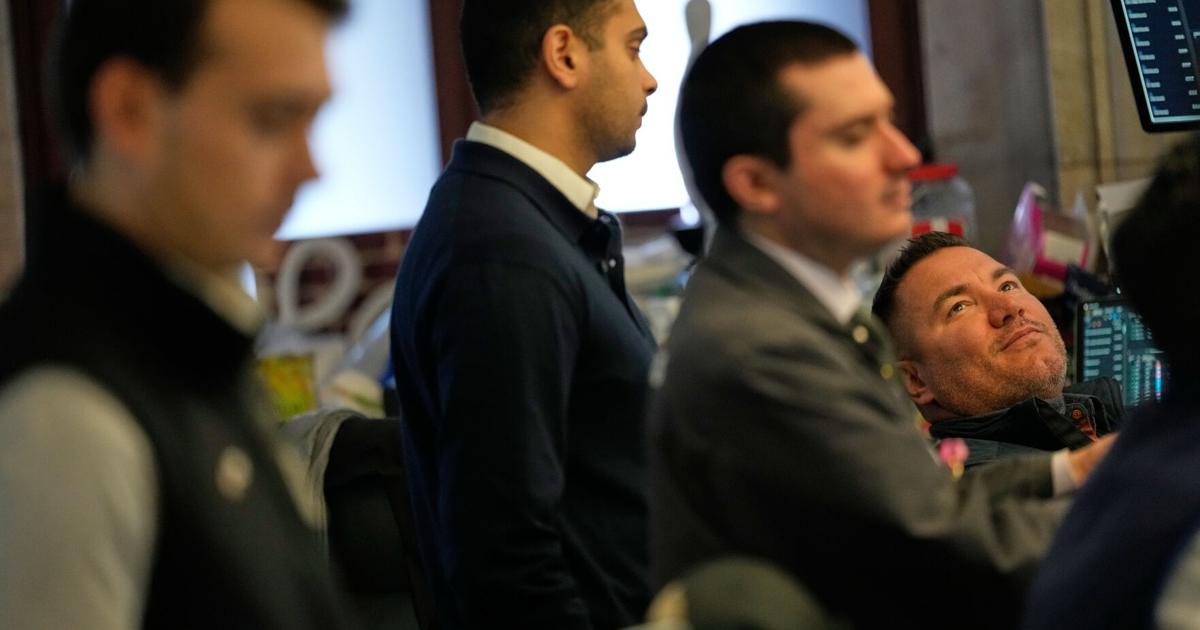
U.S. President Donald Trump publicly issued a statement urging the board to rehire the founder and former chief executive. He declared in a social media post that his return would be the best outcome for the corporation as well as for the United States.
Investor Skepticism Greets Market Pressures
Capital.com senior market analyst Daniela Hathorn told MarketWatch that determining whether the surge establishes a lasting recovery remains premature. David Rosenberg of Rosenberg Research described the upward movement to Barron’s as a classic dead-cat bounce following the prior week’s steep losses.
Roundhill Investments chief investment strategist Drew Pettit told Yahoo Finance that options sentiment reflects extreme pessimism not seen since the pandemic. He noted historical precedent favors bulls eventually.
Financial Indicator Signals Track Market Trends
Robin Brooks noted on his Substack tracking that the dollar and oil continue transmitting warning signals about underlying market stress. BMO Capital Markets Vail Hartman reported to Barron’s that domestic buyers claimed a heavier share of Treasury supply than usual.
S&P Global Market Intelligence strategist Chris Williamson stated on Barchart that flash purchasing managers’ index data point toward steady Eurozone economic expansion.
Macroeconomic Headwinds Meet Capital Expenditure Pressures
Market participants weighed the short-term relief of Huang’s reinstatement against longer-term macroeconomic pressures. These include impending interest rate decisions from the Federal Reserve.
According to Barron’s, traders are pricing in a 93% probability of a 25-basis-point interest rate hike at the central bank’s upcoming meeting on December 9, 2026.
Nigel Green, CEO of deVere Group, said that fundamental questions regarding artificial intelligence capital outlays remain unaddressed by the single-day rally. In comments reported by finchannel, he said, “A bounce in futures is welcome, but it settles nothing. It’s now on the AI bulls to show the numbers add up.”
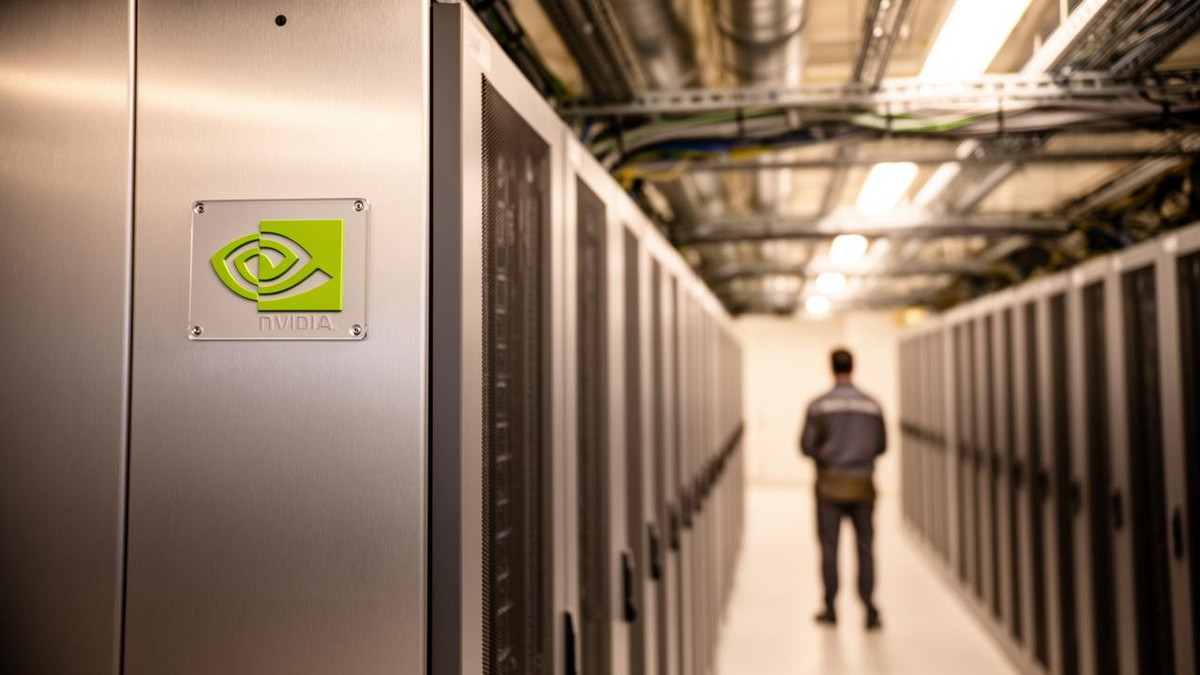
Data compiled across market reports show that major U.S. technology platforms are projected to spend between $803 billion and $828 billion on capital expenditures this year. This spending is driven largely by infrastructure, chips, and data centers.
Market attention now turns to the U.S. Core PCE Price Index and the Federal Reserve’s Beige Book release scheduled later in the week.
Earlier coverage: Nvidia Board Reinstates Jensen Huang as CEO