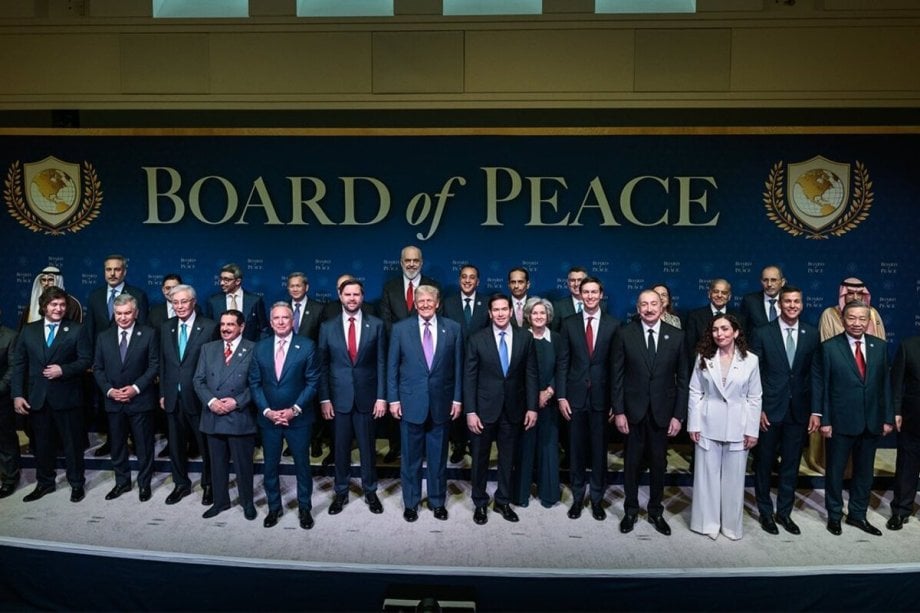
The Board of Peace, chaired by President Donald Trump, told the UN General Assembly’s gathering in New York on September 22, 2026, that Israel, Hamas and other parties must fulfill Gaza ceasefire commitments made in a July 30 roadmap or risk unraveling the process, according to a statement posted on X.
The board’s message landed the same week its own high representative for Gaza, Nickolay Mladenov, delivered a blunter version of the same warning from a stage in Abu Dhabi. Progress has been made, he said, but not nearly enough.
Speaking on Monday, September 21, at the third Hili Forum, Mladenov said implementation remains stalled a year into the process. We are still at the point at which we need to make sure that what has been agreed is going to be implemented and is going to change significantly the lives of the people in Gaza,
he said, adding plainly: Unfortunately, we’re not there yet.
Two Statements, One Deadline: UNGA as Pressure Point
The board’s UNGA statement, reported by both Anadolu Agency and JNS, laid out four shared objectives: demilitarization and deradicalization of Gaza, sustained humanitarian aid and reconstruction, an effective Palestinian civilian and security administration, and lasting security for Palestinians and Israelis. The board framed the General Assembly gathering as a rare chance to lock in consensus, writing that UNGA provides an opportunity to consolidate the international community behind one agreed framework.
That framework traces back to a July 30 agreement with Hamas setting out, in the board’s words, the implementation of their part of the commitments
— demilitarization, an Israeli withdrawal, transfer to Palestinian administration, and reconstruction. The board published a formal roadmap on July 31 detailing those stages, according to JNS, which also noted the plan followed UN Security Council Resolution 2803 and the earlier release of Israeli hostages tied to the Gaza Peace Summit in Sharm El-Sheikh.
Mladenov’s Warning From Abu Dhabi: Three Paths, One “Reasonable” Option
Where the UNGA statement stayed diplomatic, Mladenov’s remarks in Abu Dhabi, reported by Anews, were sharper about what’s actually stuck. Discussions with Israel on the implementation of their part of the commitments
are ongoing, he said, referring to a withdrawal offered in exchange for Hamas disarmament and the start of reconstruction.
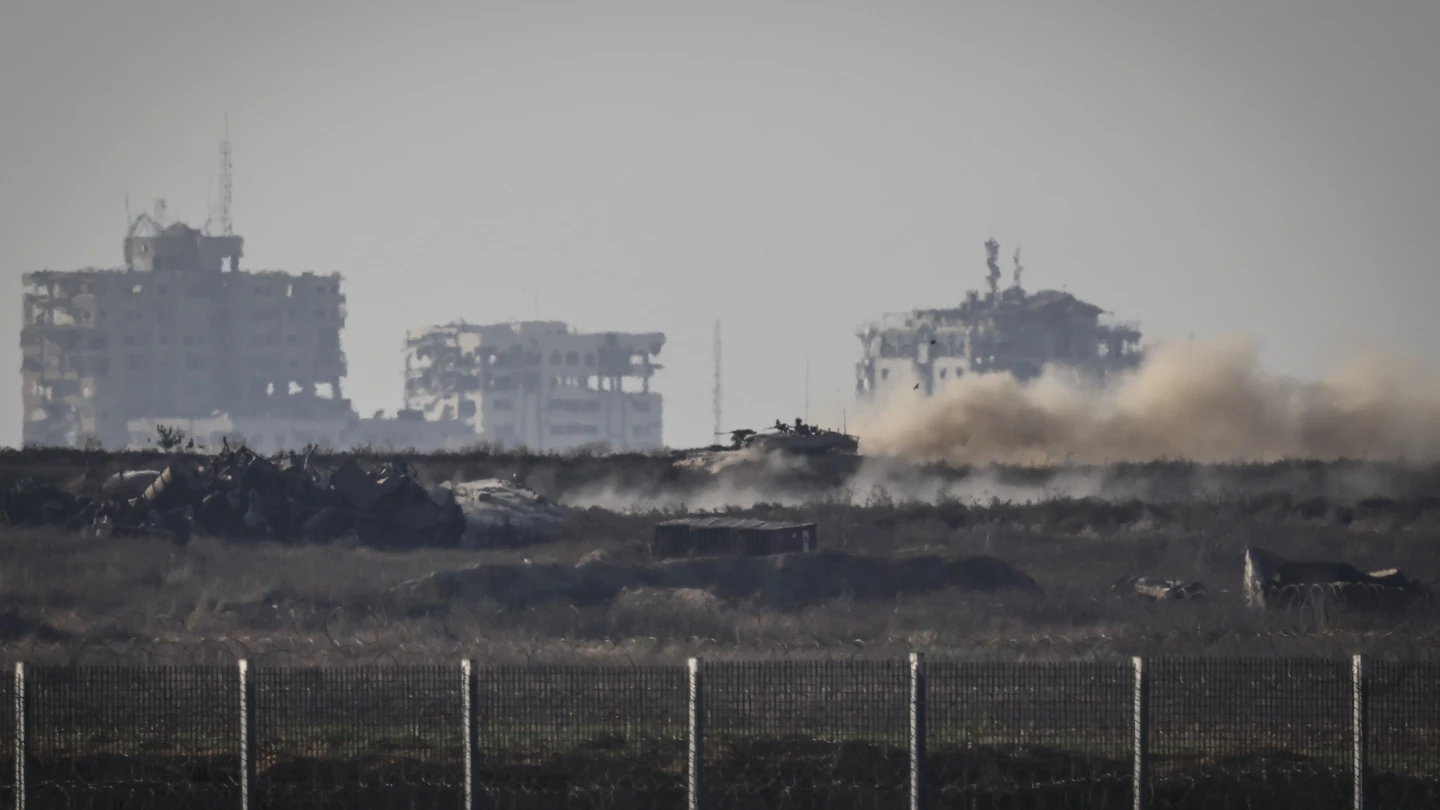
Mladenov described seven months of negotiations with Hamas over disarmament as very intense, very difficult discussions,
and credited mediation by Türkiye, Egypt and Qatar, along with support from the UAE and other regional states. Gaza’s population, he said, continues to live in terrible conditions
and cannot withstand another winter under current circumstances.
He sketched three possible trajectories: freezing the status quo, an expanded Israeli military operation that reoccupies Gaza, or full implementation of the Board of Peace roadmap — which he called the reasonable
path, requiring disarmament by agreement, an agreed Israeli withdrawal, and internationally backed reconstruction.
The only way that we can build back to that is if we have transitional governance, if we have decommissioning of weapons, if we have withdrawal in Gaza.
Nickolay Mladenov, high representative for Gaza at the Board of Peace
Failure to move forward, Mladenov warned, could make the two-state solution practically impossible.
October Elections in Israel and the “Knee-Jerk” Risk
Asked whether a new Israeli government could disavow commitments made by the current one after October elections, Mladenov acknowledged election cycles tend to produce knee-jerk reactions
and political posturing. But he argued Israelis, like Palestinians, ultimately want to move past the crisis, which he said has caused massive emotional, political, human suffering
on both sides.
Neither Palestinians nor Israelis are going anywhere. Nobody is going to leave their homes.
Nickolay Mladenov, high representative for Gaza at the Board of Peace
His remarks came at a forum co-organized by the Emirates Center for Strategic Studies and Research and the Anwar Gargash Diplomatic Academy, under the theme Gulf at Crossroads: Conflict, Consequences and Course Correction,
according to Anews.
On the Ground: Israeli Strikes Continue as Withdrawal Talks Stall
While the diplomatic track inches forward, Israeli forces have kept striking Hamas figures inside Gaza, JNS reported. The Israeli Air Force killed Hamas commander Muhammad Suleiman Byouk in Khan Yunis on September 20; the military said he took part in the October 7, 2023 attack and later planted explosives targeting Israeli troops.
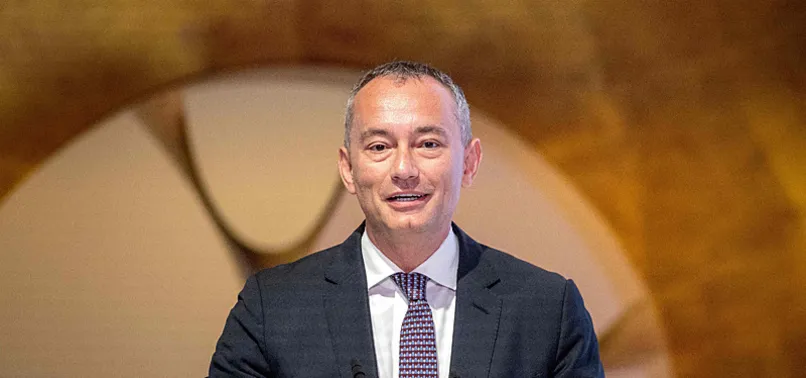
Separately, the IDF said Nael Abu Obeid, commander of Hamas’s Rafah Brigade, was killed in a strike in southern Gaza. Israeli intelligence review found Abu Obeid helped hold Lt. Hadar Goldin, an officer whose body was held since 2014 and only returned to Israel last year, along with Sgt. 1st Class Nimrod Cohen inside a tunnel system near Rafah. The IDF has said withdrawal will not proceed until Hamas fully disarms — the same precondition Mladenov cited from the diplomatic side.
The Numbers Both Wire Reports Cite
Anadolu Agency’s dispatch, also carried by UA.News, put the wartime toll since October 8, 2023 at more than 73,000 Palestinians killed and over 174,000 injured, with roughly 90% of Gaza’s infrastructure damaged or destroyed. Neither figure came from the Board of Peace itself; both outlets attributed them to Anadolu Agency’s own reporting.
Who Sits on the Board — and Who Doesn’t
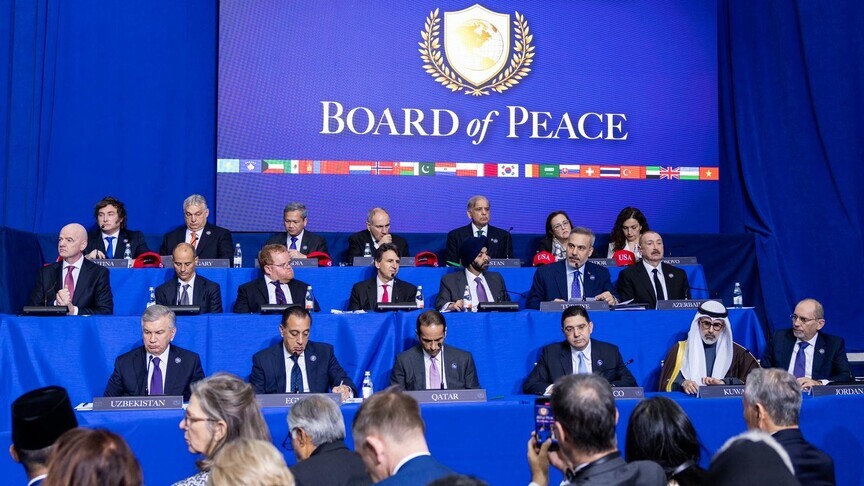
The Board of Peace was established in January as the oversight body for Trump’s Gaza plan, with a Palestinian technocratic body, the National Committee for the Administration of Gaza, created alongside it to run civilian administration, according to Anews. A commentary published by Middle East Monitor took direct aim at that structure, arguing the board — which it said includes Jared Kushner, Tony Blair and Apollo Global Management’s Marc Rowan — leaves Palestinians with no vote or veto over decisions shaping their own territory.
The outlet linked the board’s promotional Master Plan for New Gaza
, described as a $25 billion blueprint for waterfronts, tech hubs and industrial parks, to a broader critique that traditional diplomacy, including UNRWA funding from Germany, has been sidelined. That framing sits well outside what the board or Mladenov said publicly this week, but it marks a sharply different read on the same roadmap: one side calls it a path to lasting peace, the other calls it a corporate blueprint imposed without Palestinian consent.
None of the sources say what happens if Israel’s post-election government declines to honor the withdrawal-for-disarmament terms Mladenov described. That question, not the UNGA statement’s language, is what will determine whether the roadmap survives the winter Mladenov said Gaza’s population cannot endure again.