
Seibu Shibuya, the Tokyo department store that helped turn the Shibuya district into a hub of youth fashion, is closing at the end of this month. The store’s three wings — Building A, which sold women’s apparel and cosmetics, Building B for menswear, and the Parking Hall — will cease operations on Wednesday.
A 58-Year Run Comes to an End
First opened in 1968, Seibu Shibuya built its identity around discovering new designers and played a key role in sparking the so-called “DC brand” boom, a wave of Designer’s and Character’s brands that dominated Japanese fashion in the 1980s.
The Rise of Capsule and a New Generation of Designers
The store’s signature feature was Capsule, a small sales space nicknamed the Avant-Garde Shop on the mezzanine level of Building A. Designed by interior designer Shiro Kuramata, its transparent, capsule-shaped shelves showcased clothing from young, then-unknown designers including Takeo Kikuchi and Kansai Yamamoto.
Kikuchi, now 87, recalled the significance of being featured there. For a designer, having your clothes displayed in Capsule felt special. You could sense the momentum of a new era being created right there in the store.
Designers Kenzo Takada and Issey Miyake, who later showed at Paris fashion weeks, held shows at Seibu Shibuya in the 1970s, and the store also showcased work by Yohji Yamamoto and Rei Kawakubo.
Shaping Shibuya’s Identity
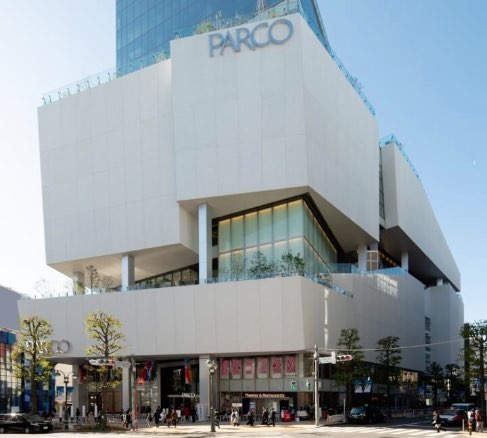
Located near Shibuya Station, the store helped shape the district’s trends and fashion culture alongside neighboring venues, including Shibuya Parco, a theater-annexed fashion building belonging to the Saison group conglomerate. With the opening of Shibuya Parco in 1973 and the lifestyle store Loft Shibuya in 1987, Seibu Shibuya collaborated with surrounding facilities to introduce new approaches to cultural and lifestyle retail, turning Shibuya into an area where people would linger.
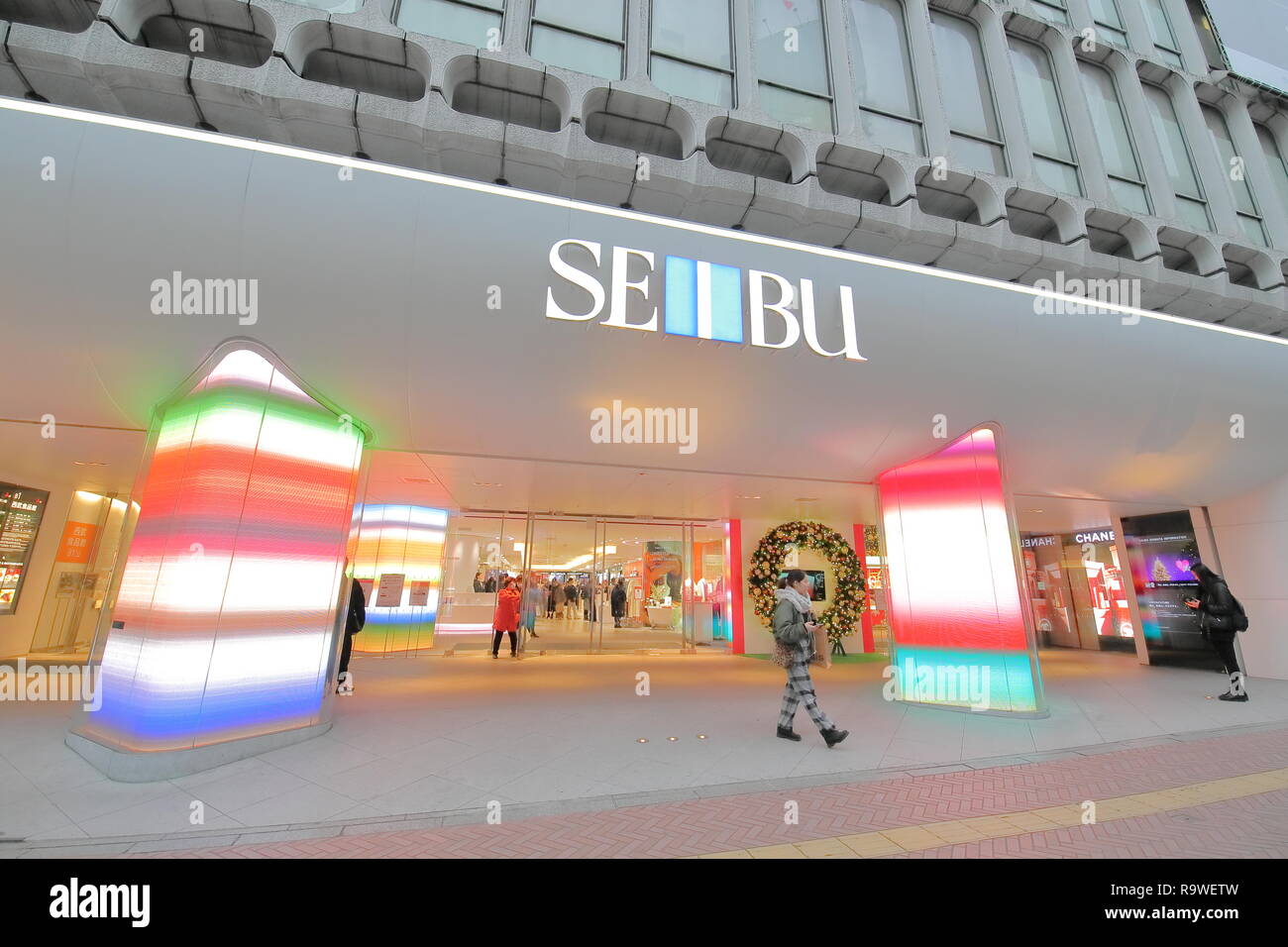
Takuya Kikuta, an associate professor who studies contemporary fashion history, said Seibu Shibuya played a central role in establishing Shibuya’s image as the district of youth fashion.
He added that the store demonstrated how a department store could shape a neighborhood and serve as a hub for spreading fashion, lifestyle and culture.
A 52-year-old office worker in Tokyo, who visited the store two or three times a month in her 20s, said the store always exposed her to new perspectives and the latest fashion trends.
Kikuta said the closure reflects broader shifts in how people encounter fashion, noting that online shopping and social media now allow people to discover new trends without visiting a city or a store. The store’s closure signifies the end of the era in which department stores shaped fashion and culture,
he said.
Worth a look